A health inventory app built on regulations and fragmented drug data using AI framework.
Medihome
2025
Overview
Approach
From a design hypothesis to a value proposition
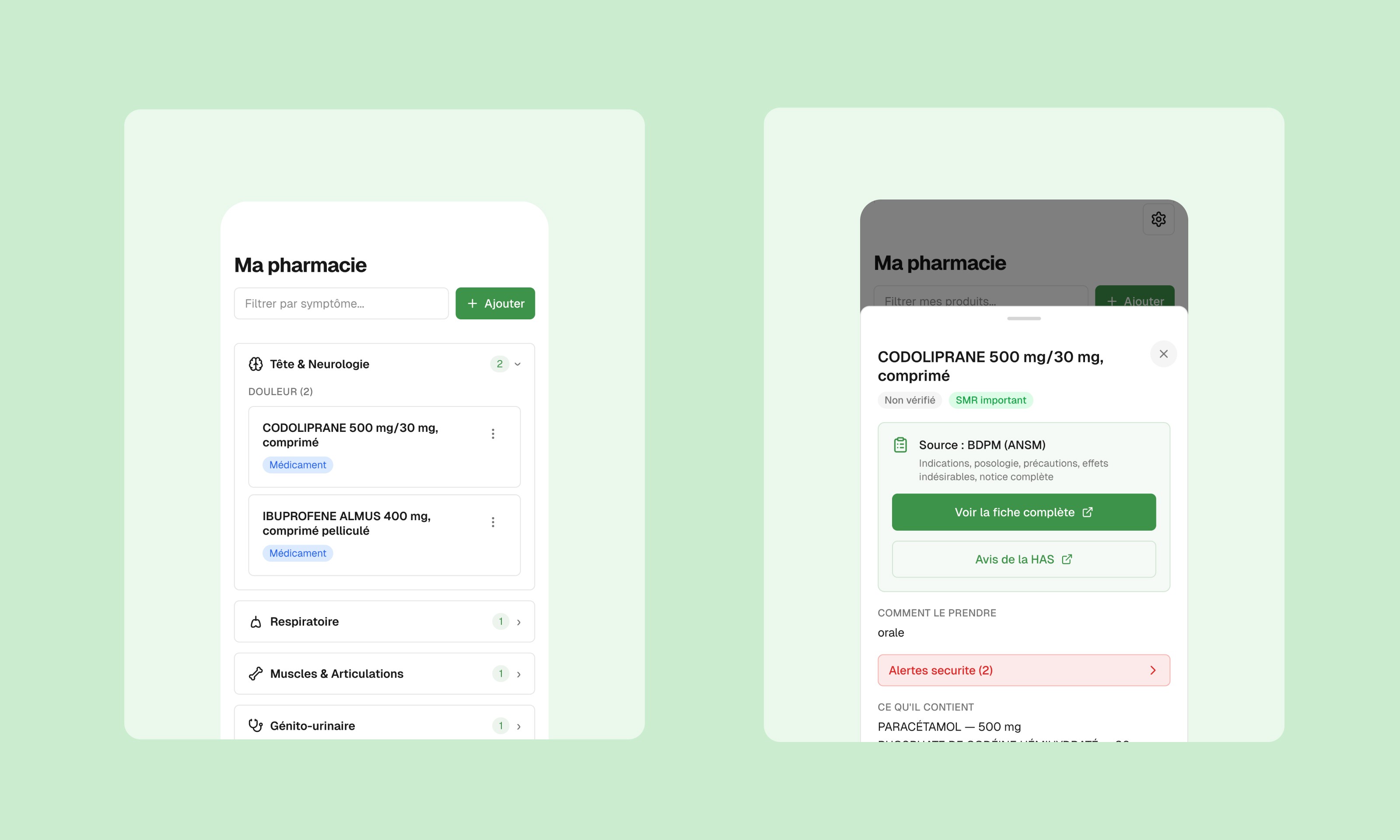
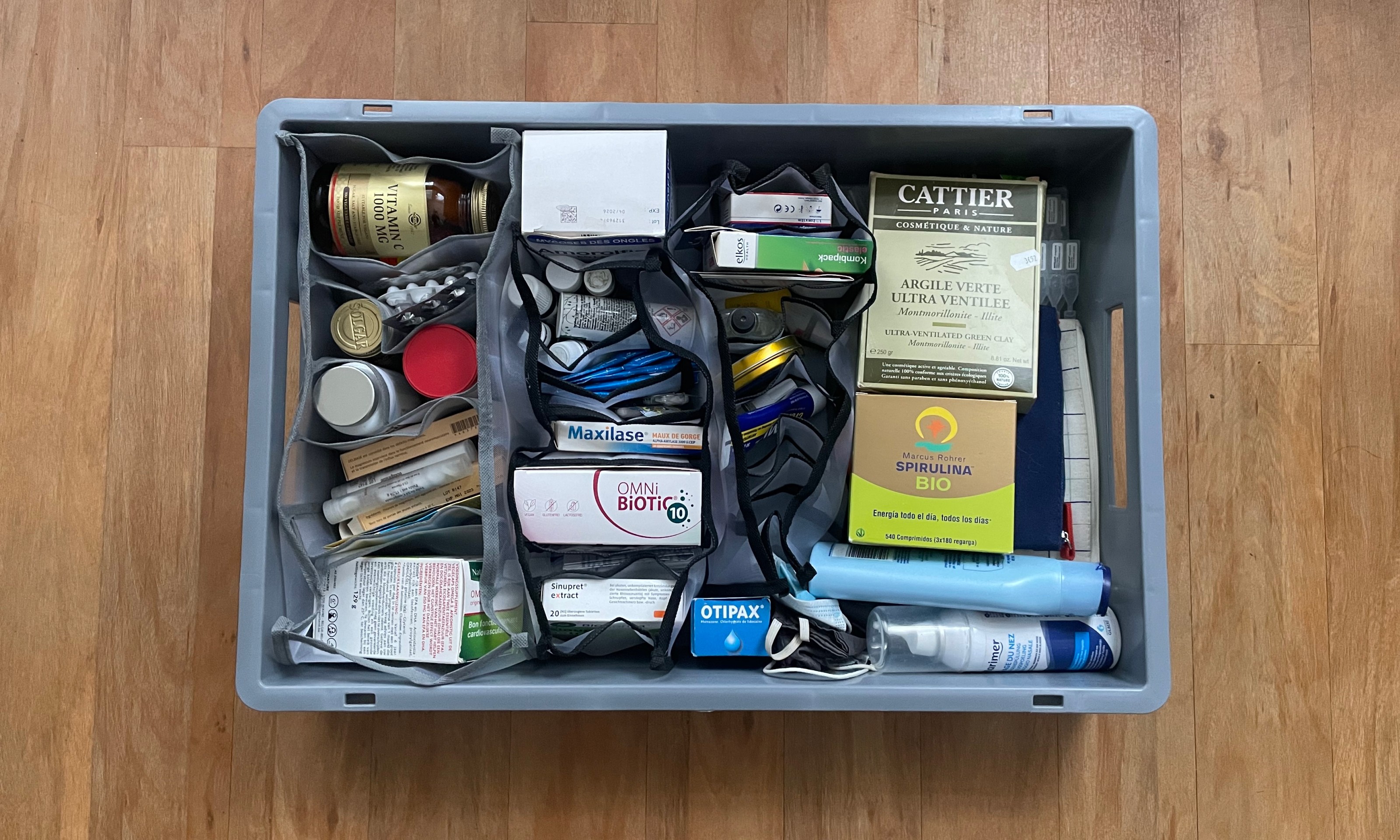
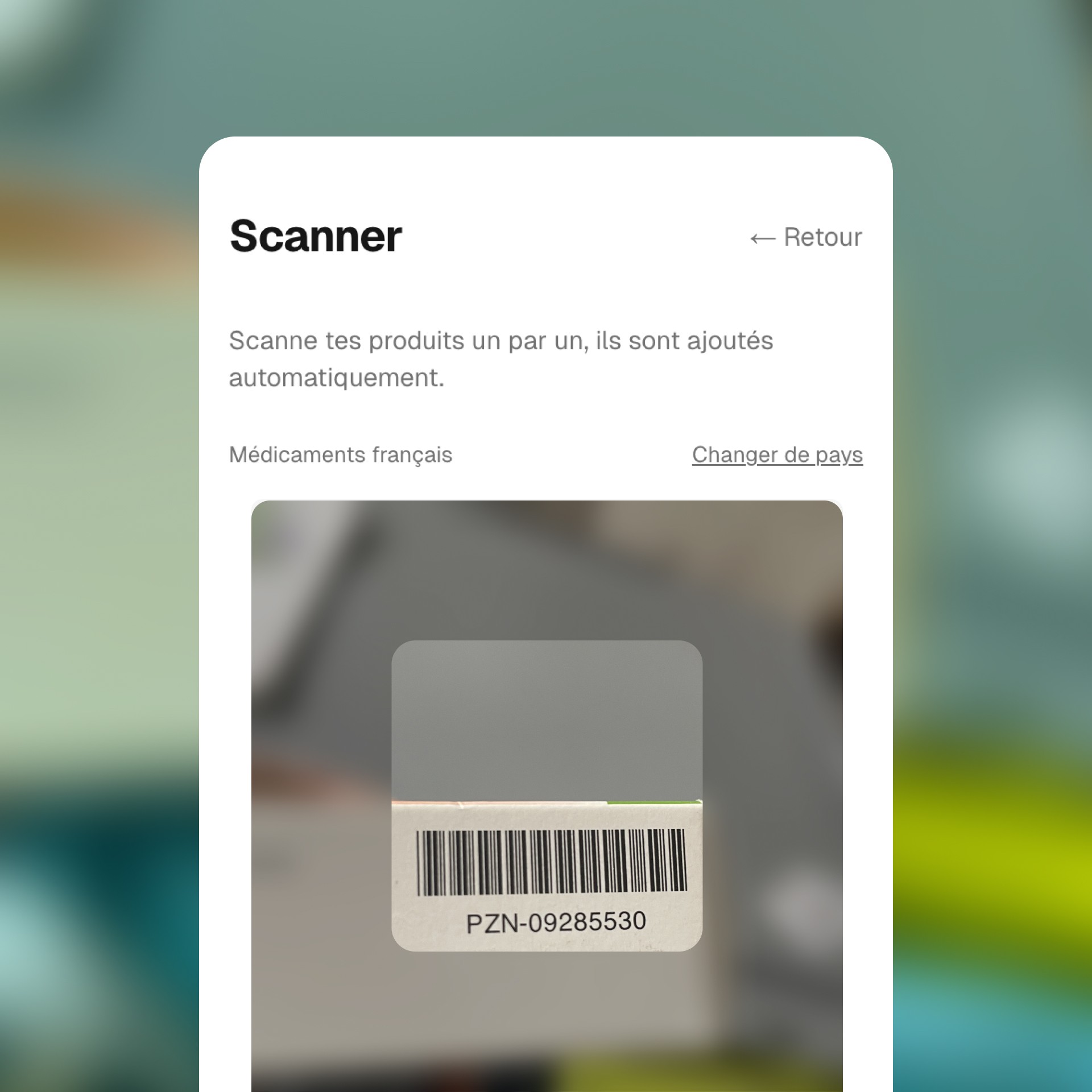
I couldn't find an app that lets you search your own meds by what they treat. Market research confirmed the gap: existing apps focused on reminders or prescriptions, none on inventory. I shaped a value proposition around one idea: scan a barcode, get the full picture of what you have and what it does. Then prototyped the core flow to test if it held up.
Validate desirability through a landing page
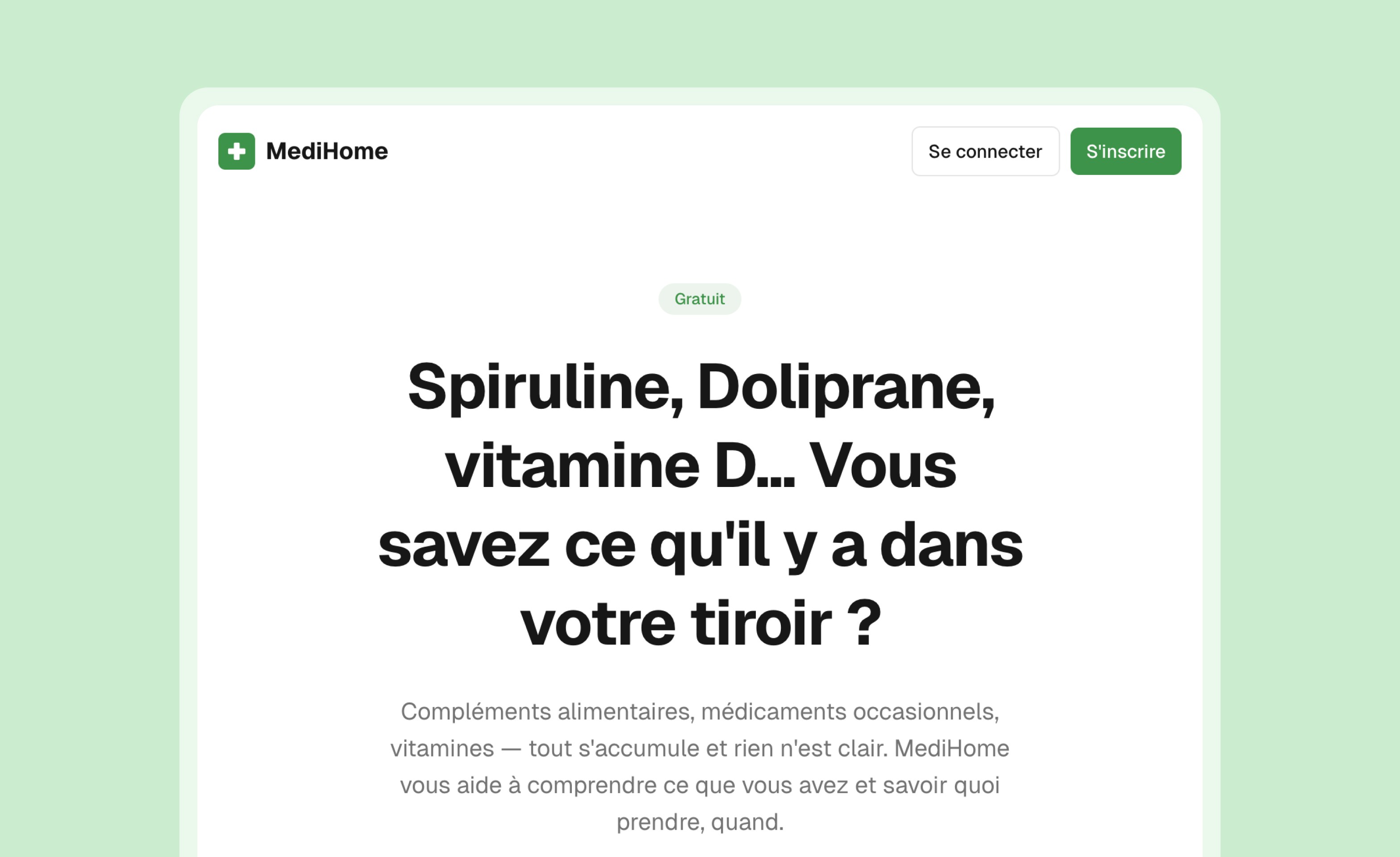
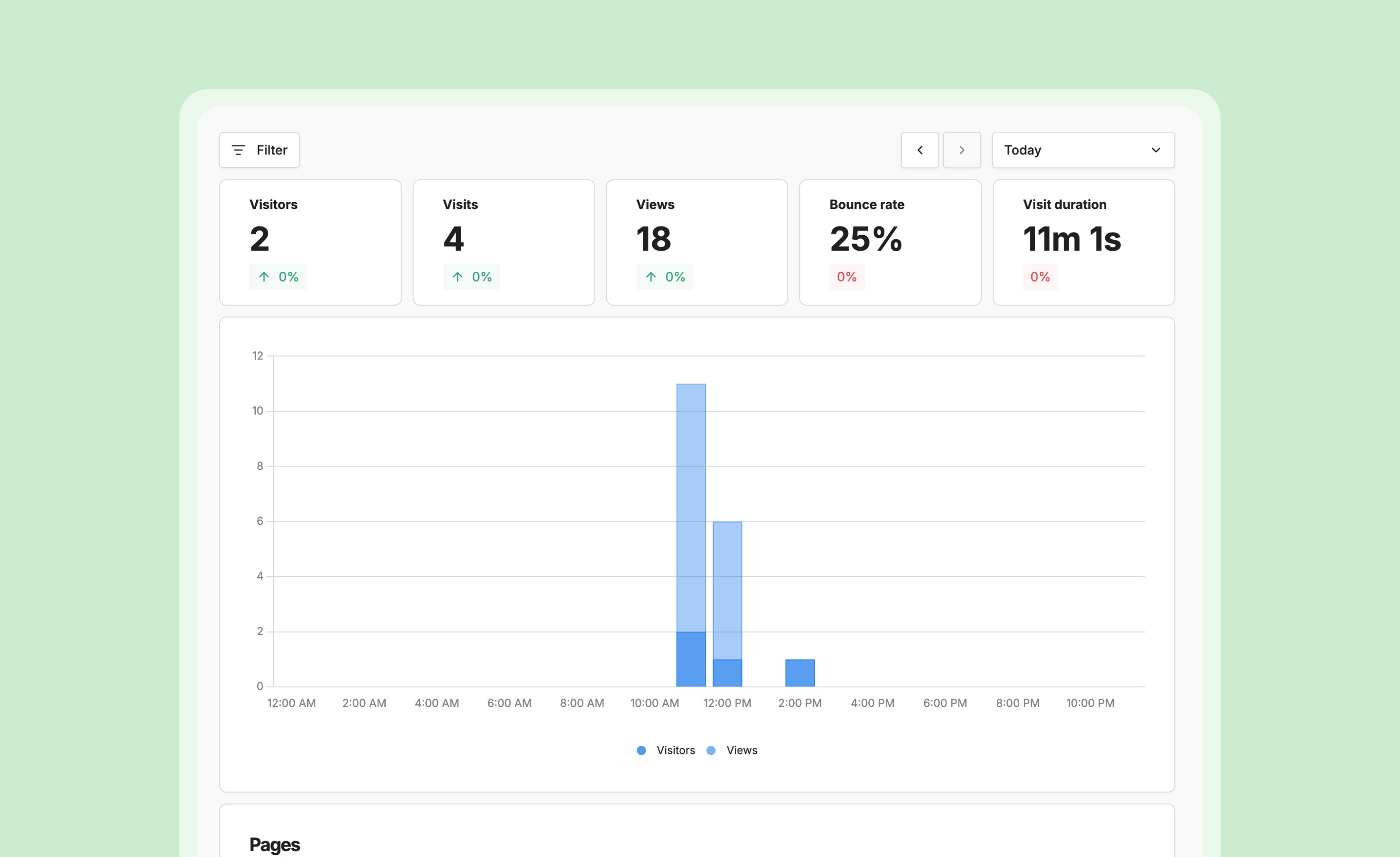
I built a landing page before the product to test whether I could explain the value in one scroll. Early feedback shifted the direction: positioning felt too medical, but testers saw value for supplements and niche cases. I changed the language from "health app" to "inventory tool for your cabinet." The page is live with analytics. If nobody signs up, the idea stops here.
Adapting to health data rules and limited APIs
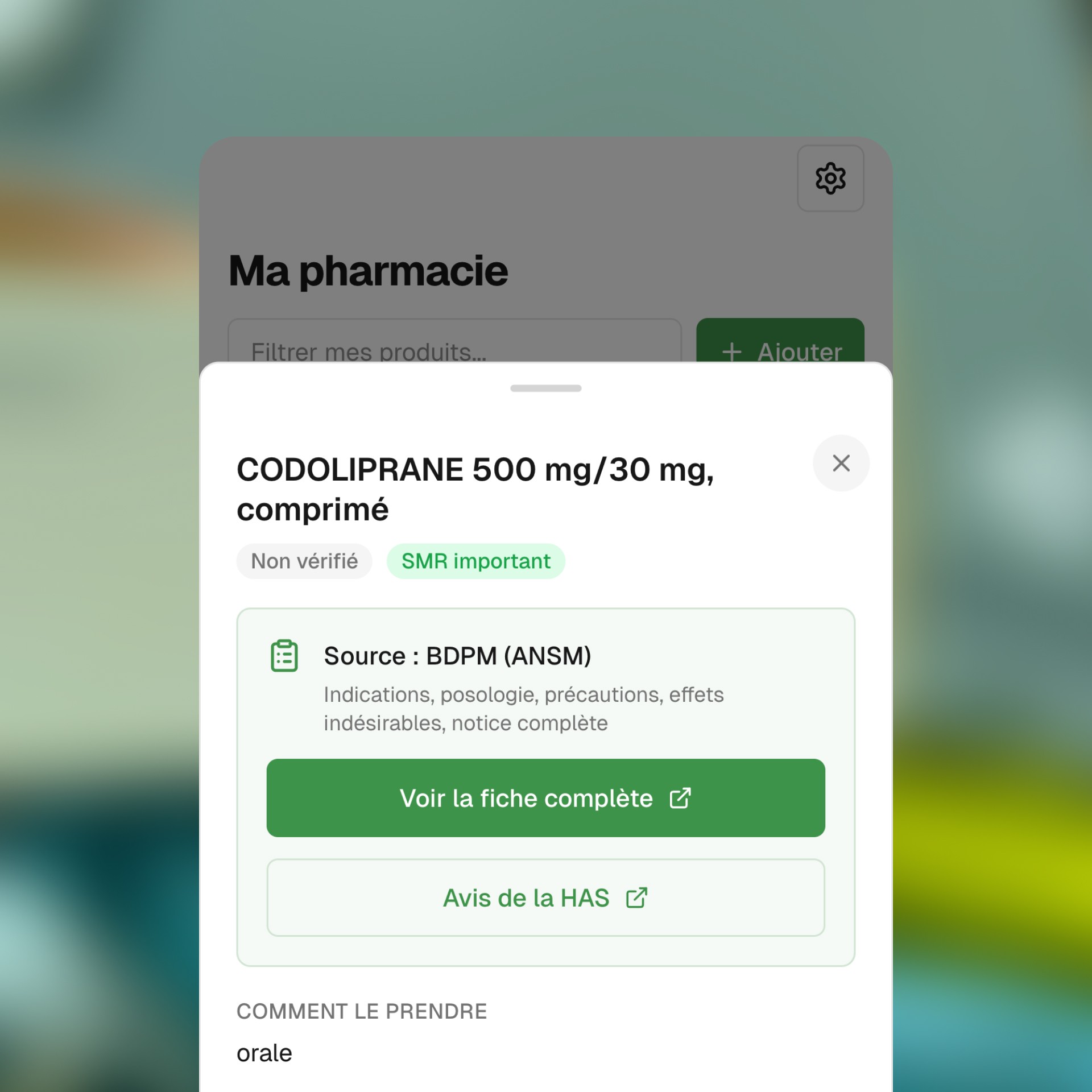
French health data laws require explicit consent, data export, and deletion rights. I built the compliance layer from day one: consent screen, audit trails, account deletion. On the data side, EU drug APIs are fragmented. Some products return full composition and contraindications, others almost nothing. Inconsistency kills trust faster than missing features, so I scoped phase 1 to verified fields only and deferred rich data to phase 2.
Outcome
Key results
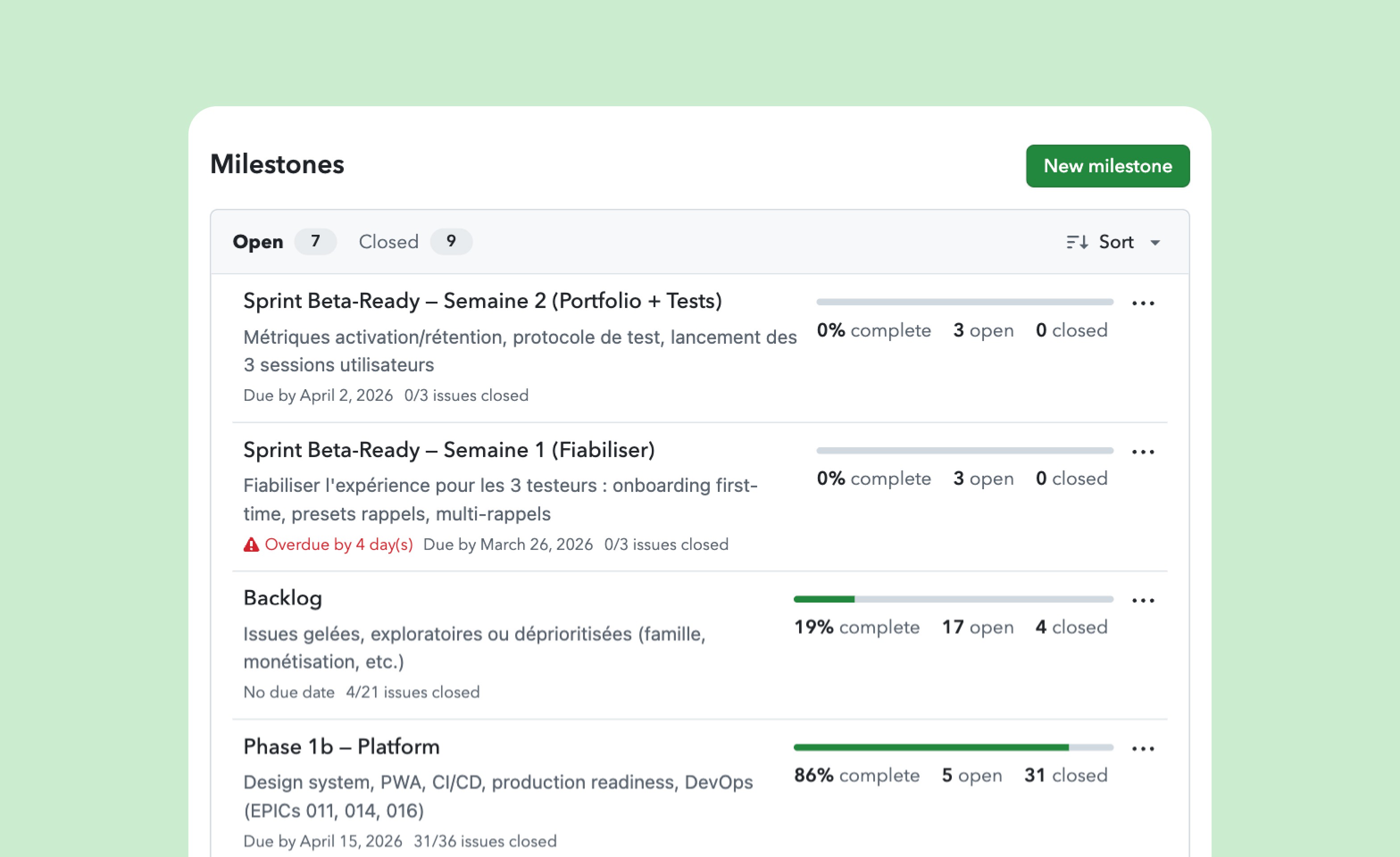
Ongoing project. The core experience works. Whether it retains users beyond initial setup is the next hypothesis to test.
Working web app with barcode scanning, official drug database lookup (15,800+ references), and symptom-based navigation
Scan to full product info in under 3 seconds on a mobile connection
Full privacy compliance: consent screen, data export, account deletion, audit trails
Landing page live, positioning adjusted based on early feedback
Back to Home