Shaping zero-to-one B2B SaaS for field teams

Company

RE'FLEKT

Product

B2B SaaS telecommunication

Year

2018

Role

Product designer

As main product designer, over one year, I built the end-to-end experience for an MVP SaaS platform connecting field technicians and remote experts during live machine support. The product had to work across iOS, Android, Windows, and AR glasses, with no existing codebase, no design system, and no prior product to iterate on. Every design decision carried product, technical, and business risk, as the company was simultaneously transitioning from project-based work to a recurring SaaS model.

Problem framing

Problem framing

Constraints

  • Building from scratch; no existing product, design system, or validated patterns to build on

  • Multi-platform required from day one: iOS, Android, Windows, and Vuzix AR glasses

  • Company pivoting its entire business model from project-based to SaaS; adding strategic pressure to every product decision

  • Limited analytics capability; no way to measure post-launch impact with precision

Risk

Without fast user validation, we risked building a product nobody would use, while the company bet its business model transition on this platform succeeding.

Approach

What are the real friction points during remote support?

1.

From user journey to early prototypes validation

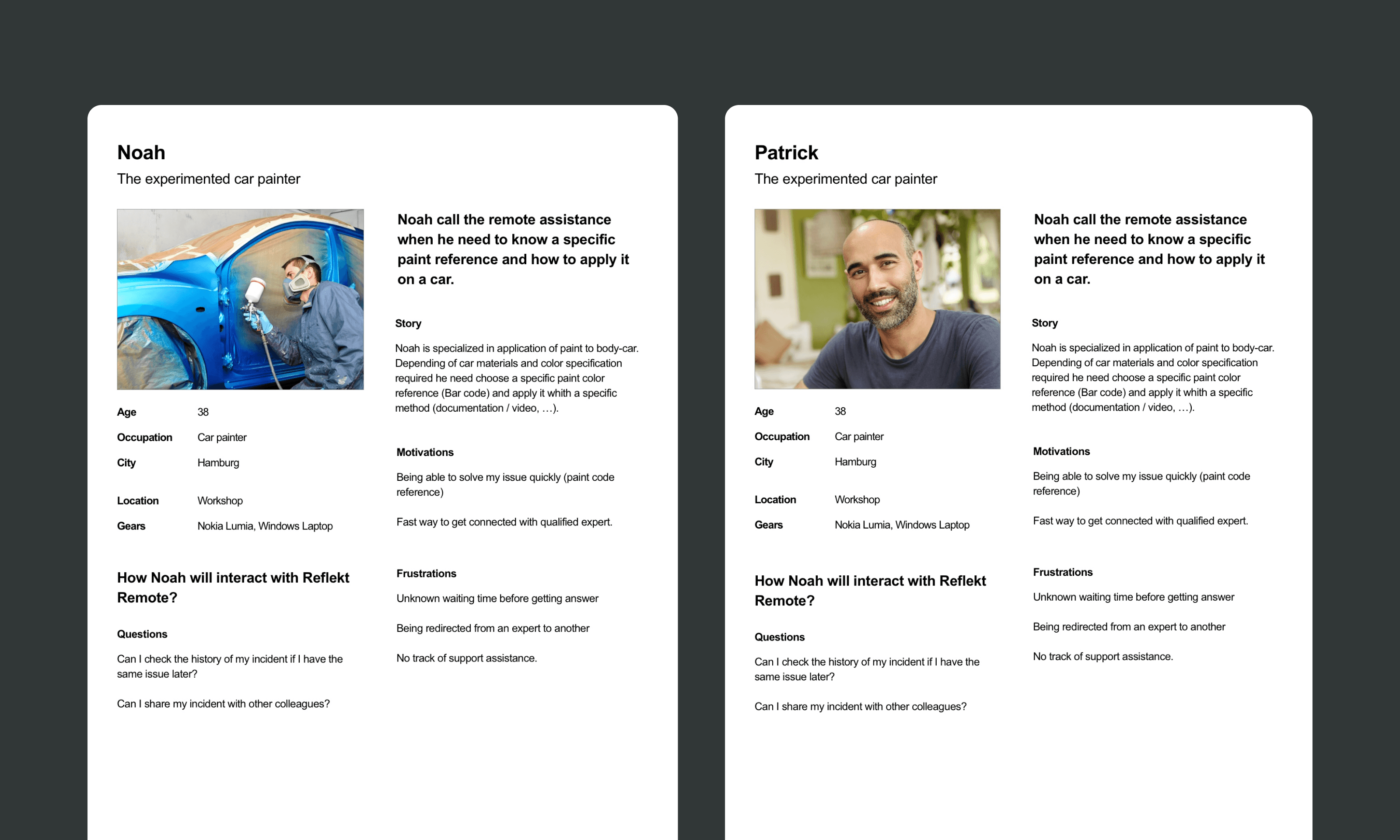
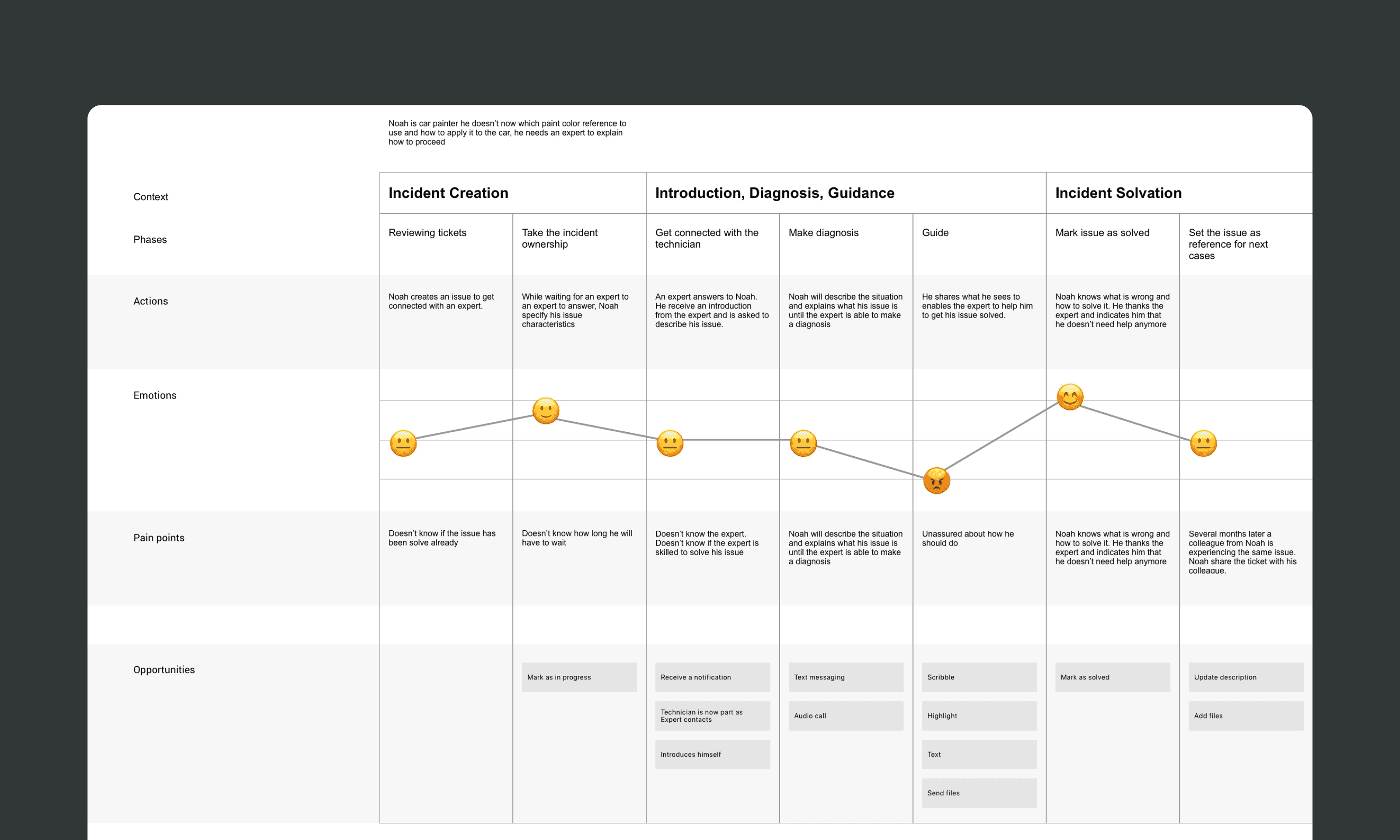
I conducted interviews and surveys with field technicians and remote experts, then synthesized insights into personas and user journey maps. The core finding was clear: support broke down as soon as conversations involved complex machines. Phone calls and basic video couldn't carry enough context for precise guidance.

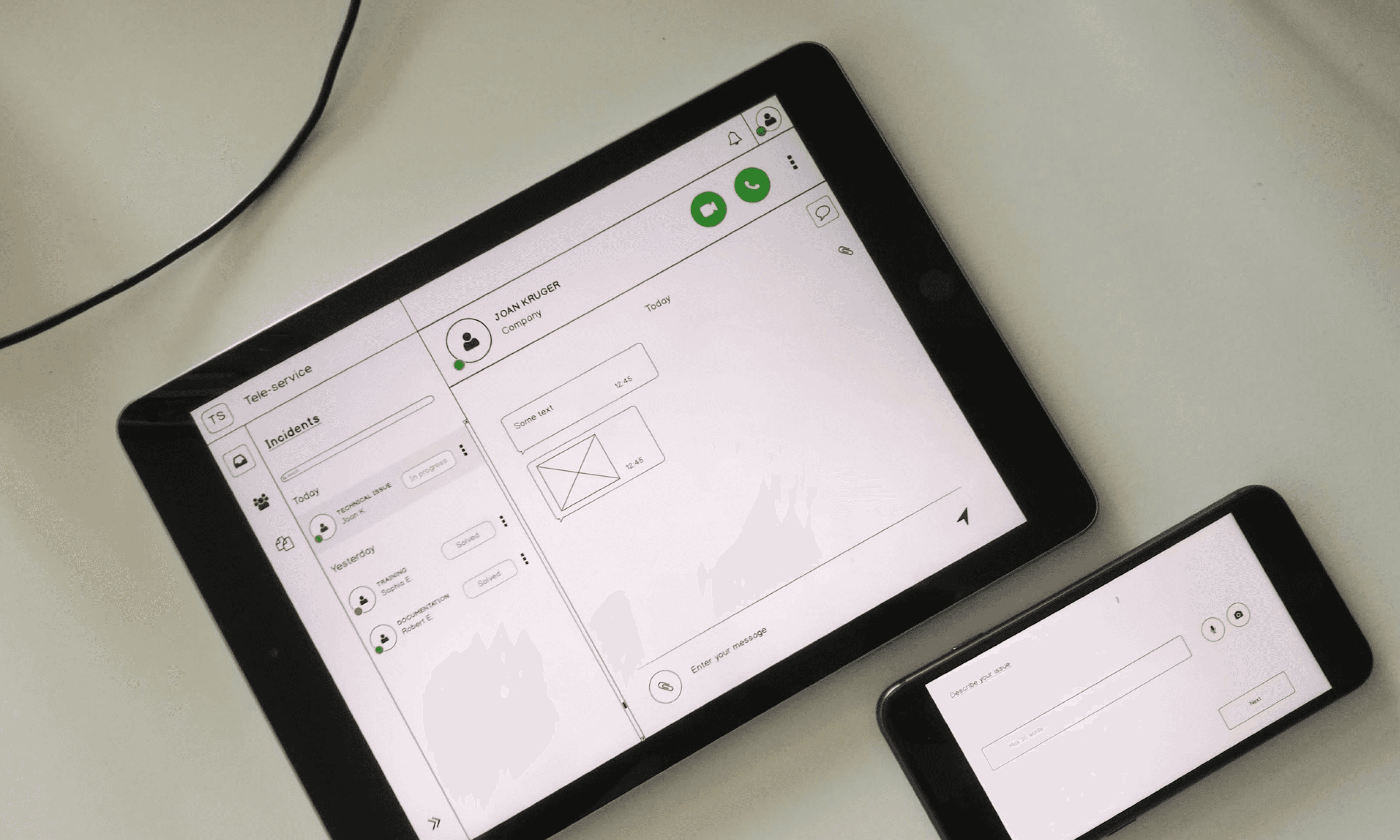
Rather than moving into full development, I chose to build rapid prototypes testing a specific hypothesis: whether shared visual context (live annotations, screen sharing) would reduce misunderstandings during support sessions. User testing confirmed where breakdowns happened and validated the core interaction model before committing engineering resources, reducing the risk of building the wrong product.

How to ensure consistency across 4 platforms without breaking native behaviors?

2.

Crossplatform Design System

Multi-platform support was a hard requirement, but consistency couldn't come at the cost of usability. I audited interaction patterns and platform constraints across iOS, Android, and Windows to map where native behaviors had to be preserved and where unified patterns were possible.

Using that audit, I built a design system that maintained consistent core interactions while respecting platform-specific conventions. I then extended the system to support multi-branding, a product decision enabling enterprise clients to deploy the platform under their own brand without redesigning core structures or interactions. This turned the design system from a delivery tool into a scalable business asset.

How would the experience work under extreme hardware constraints?

Multi-platform support was a hard requirement, but consistency couldn't come at the cost of usability. I audited interaction patterns and platform constraints across iOS, Android, and Windows to map where native behaviors had to be preserved and where unified patterns were possible.

Using that audit, I built a design system that maintained consistent core interactions while respecting platform-specific conventions. I then extended the system to support multi-branding, a product decision enabling enterprise clients to deploy the platform under their own brand without redesigning core structures or interactions. This turned the design system from a delivery tool into a scalable business asset.

How would the experience work under extreme hardware constraints?

Multi-platform support was a hard requirement, but consistency couldn't come at the cost of usability. I audited interaction patterns and platform constraints across iOS, Android, and Windows to map where native behaviors had to be preserved and where unified patterns were possible.

Using that audit, I built a design system that maintained consistent core interactions while respecting platform-specific conventions. I then extended the system to support multi-branding, a product decision enabling enterprise clients to deploy the platform under their own brand without redesigning core structures or interactions. This turned the design system from a delivery tool into a scalable business asset.

How would the experience work under extreme hardware constraints?

How the experience would work on AR glasses constraints?

3.

Prototyping with touch control

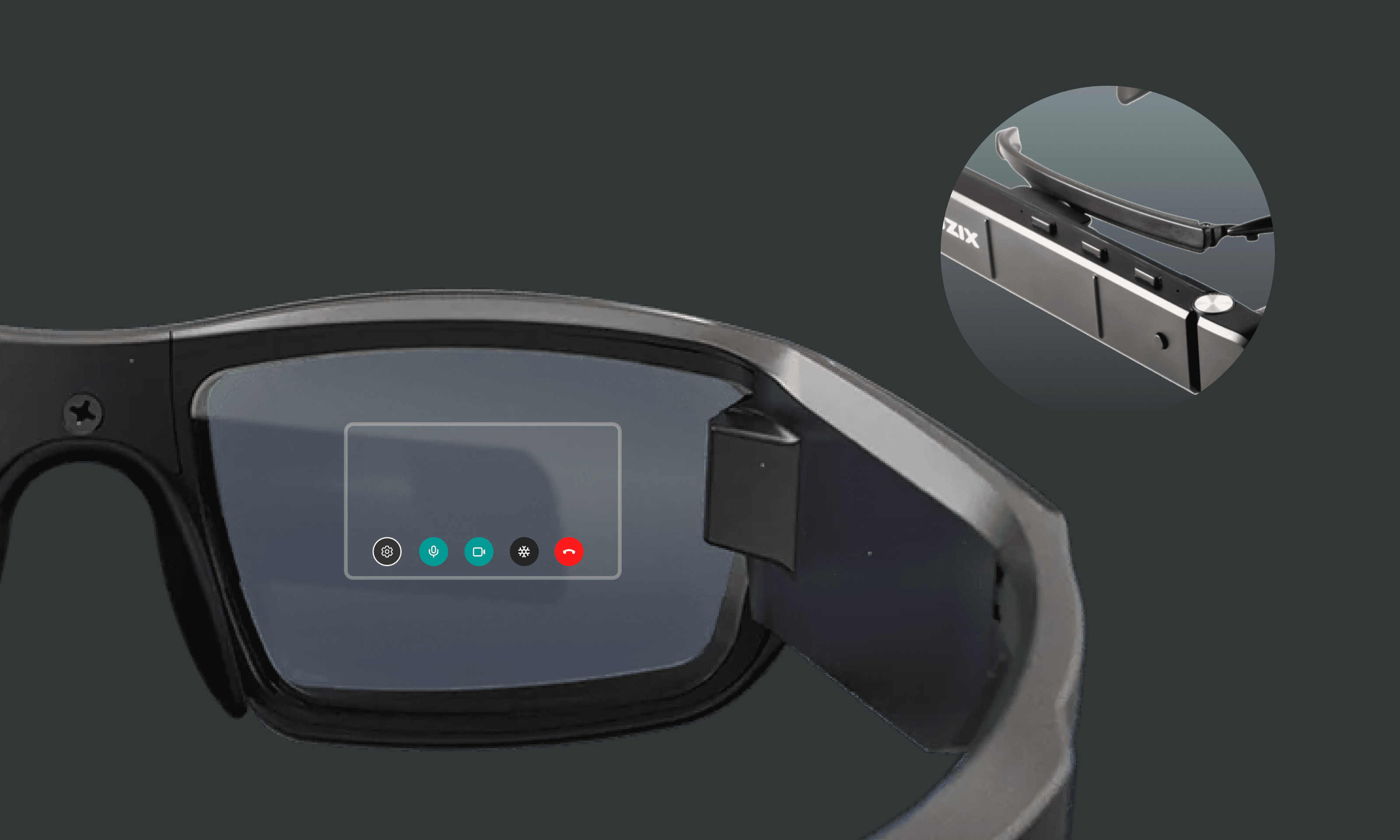
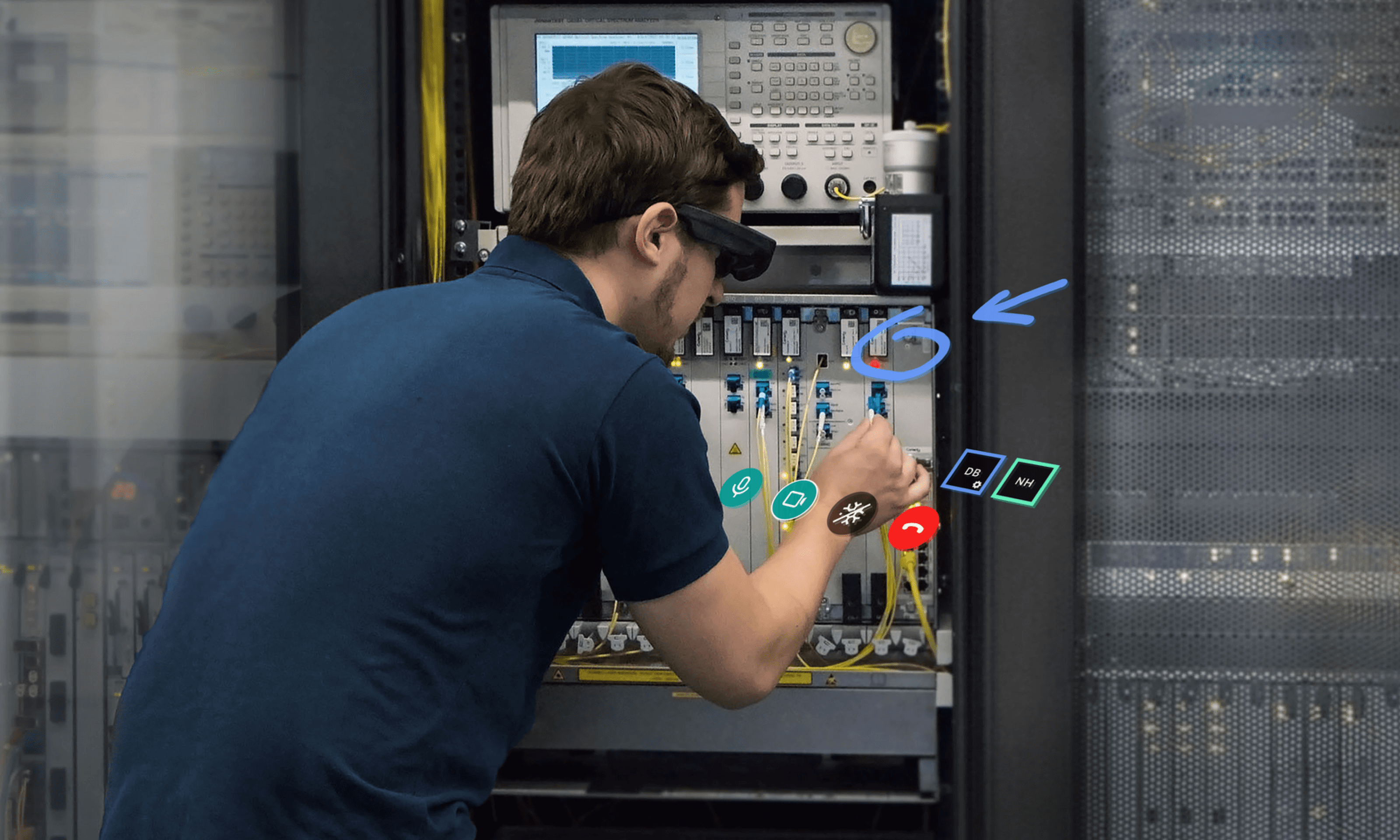
AR glasses introduced fundamentally different constraints from screen-based devices. On Vuzix hardware, users interacted through physical buttons on the glasses' temple, no touch input, limited screen real estate, and zero tolerance for complex flows during hands-on field operations.

I created prototypes to test how UI behaviors mapped to physical button inputs and refined interaction rules so key actions remained reachable and predictable. The constraints forced a level of prioritization and simplicity that ultimately strengthened the overall product, patterns designed for AR translated into clearer, more focused interfaces across all platforms.


AR glasses introduced fundamentally different constraints from screen-based devices. On Vuzix hardware, users interacted through physical buttons on the glasses' temple, no touch input, limited screen real estate, and zero tolerance for complex flows during hands-on field operations.

I created prototypes to test how UI behaviors mapped to physical button inputs and refined interaction rules so key actions remained reachable and predictable. The constraints forced a level of prioritization and simplicity that ultimately strengthened the overall product, patterns designed for AR translated into clearer, more focused interfaces across all platforms.


AR glasses introduced fundamentally different constraints from screen-based devices. On Vuzix hardware, users interacted through physical buttons on the glasses' temple, no touch input, limited screen real estate, and zero tolerance for complex flows during hands-on field operations.

I created prototypes to test how UI behaviors mapped to physical button inputs and refined interaction rules so key actions remained reachable and predictable. The constraints forced a level of prioritization and simplicity that ultimately strengthened the overall product, patterns designed for AR translated into clearer, more focused interfaces across all platforms.


Outcome & Impact

Product launched on the App Store in 2018 for iOS, Android, and Vuzix, despite limited analytics at the time.

Product Outcomes

  • Shipped a functional MVP across 3 platforms and AR glasses within one year, from zero codebase to app store

  • Design system enabled consistent behavior across mobile, desktop, and AR devices, reducing fragmentation as the product scaled

  • Multi-branding capability allowed enterprise clients to deploy under their own identity without redesigning core interactions

Process & Delivery

  • Prototype-first approach validated core interaction model before heavy engineering investment, reducing risk of building the wrong product

  • Cross-platform design system reduced duplication and accelerated feature rollout across platforms

  • AR-driven simplification improved interface clarity across the entire product, not just glasses

Long-term Value

  • Enterprise clients adopted the platform for live support operations, contributing to the company's transition toward a SaaS revenue model

  • Design system and multi-branding framework remained foundational as the product expanded to new clients and platforms

Structured Support Handling

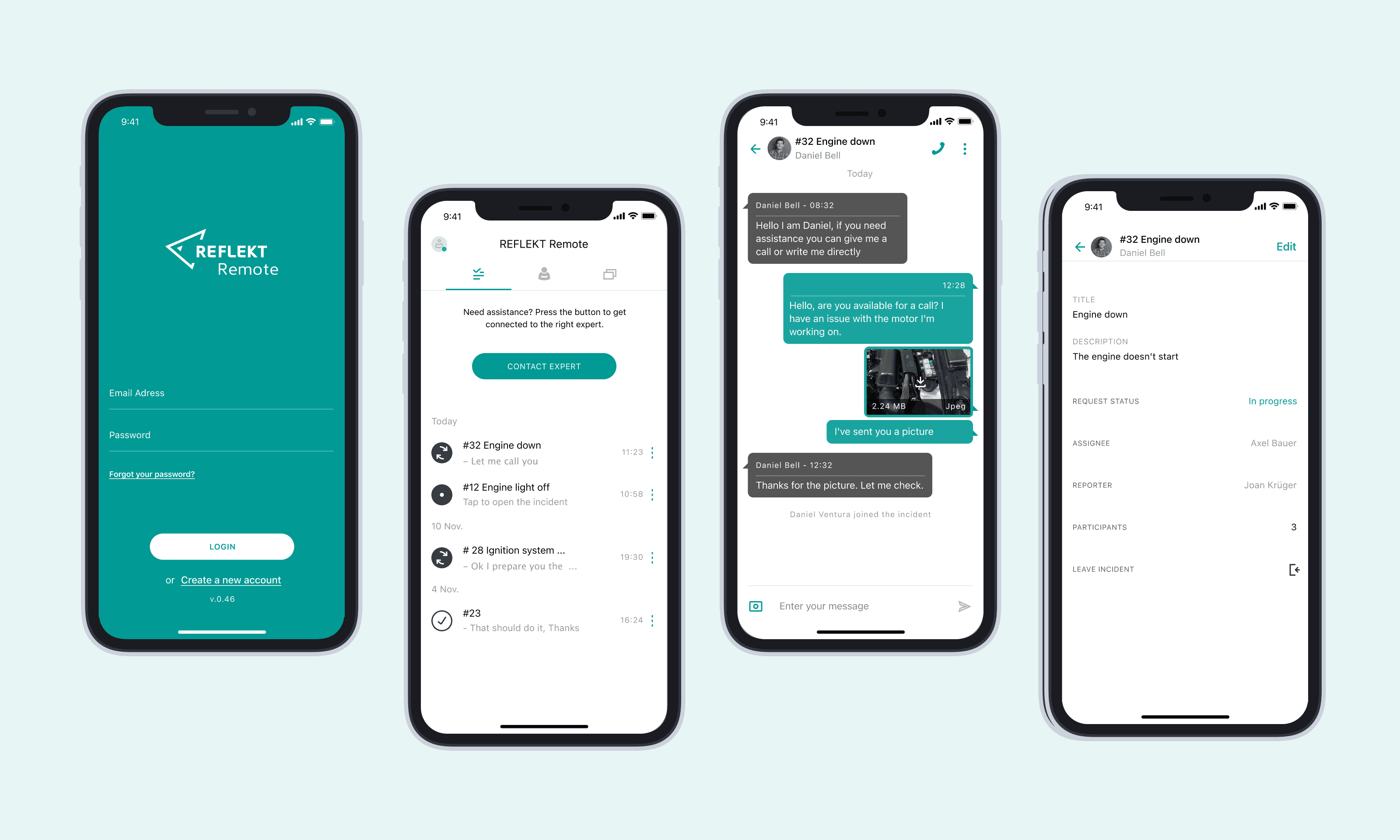
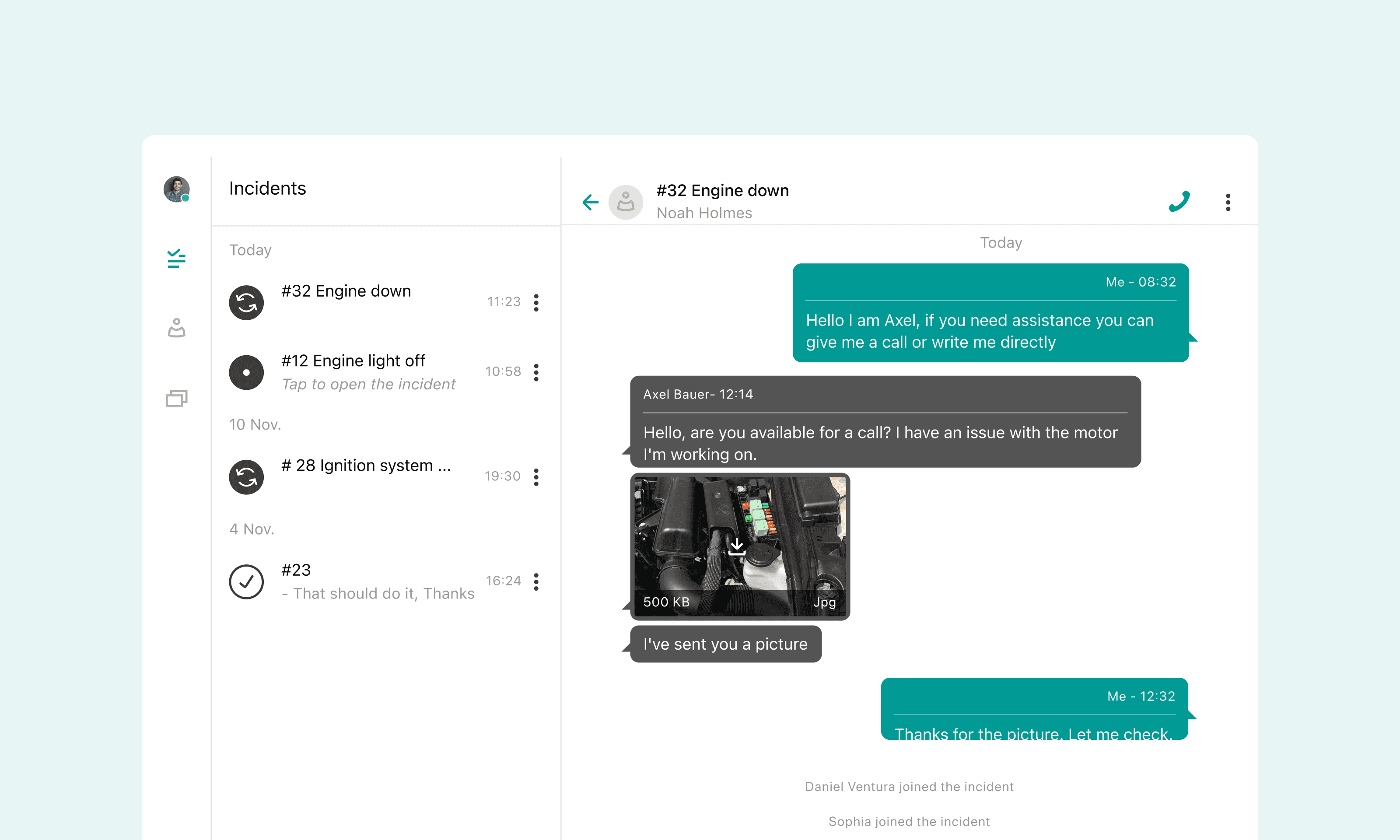
Request states and expert assignment clarified ownership, helping support teams manage multiple live cases simultaneously without losing context or accountability.

Reliable Remote Guidance

Live annotations and shared visuals allowed remote experts to guide field actions with precision, reducing hesitation and miscommunication during critical machine operations.


Product launched on the App Store in 2018 for iOS, Android, and Vuzix, despite limited analytics at the time.

Product Outcomes

  • Shipped a functional MVP across 3 platforms and AR glasses within one year, from zero codebase to app store

  • Design system enabled consistent behavior across mobile, desktop, and AR devices, reducing fragmentation as the product scaled

  • Multi-branding capability allowed enterprise clients to deploy under their own identity without redesigning core interactions

Process & Delivery

  • Prototype-first approach validated core interaction model before heavy engineering investment, reducing risk of building the wrong product

  • Cross-platform design system reduced duplication and accelerated feature rollout across platforms

  • AR-driven simplification improved interface clarity across the entire product, not just glasses

Long-term Value

  • Enterprise clients adopted the platform for live support operations, contributing to the company's transition toward a SaaS revenue model

  • Design system and multi-branding framework remained foundational as the product expanded to new clients and platforms

Structured Support Handling

Request states and expert assignment clarified ownership, helping support teams manage multiple live cases simultaneously without losing context or accountability.

Reliable Remote Guidance

Live annotations and shared visuals allowed remote experts to guide field actions with precision, reducing hesitation and miscommunication during critical machine operations.


Product launched on the App Store in 2018 for iOS, Android, and Vuzix, despite limited analytics at the time.

Product Outcomes

  • Shipped a functional MVP across 3 platforms and AR glasses within one year, from zero codebase to app store

  • Design system enabled consistent behavior across mobile, desktop, and AR devices, reducing fragmentation as the product scaled

  • Multi-branding capability allowed enterprise clients to deploy under their own identity without redesigning core interactions

Process & Delivery

  • Prototype-first approach validated core interaction model before heavy engineering investment, reducing risk of building the wrong product

  • Cross-platform design system reduced duplication and accelerated feature rollout across platforms

  • AR-driven simplification improved interface clarity across the entire product, not just glasses

Long-term Value

  • Enterprise clients adopted the platform for live support operations, contributing to the company's transition toward a SaaS revenue model

  • Design system and multi-branding framework remained foundational as the product expanded to new clients and platforms

Structured Support Handling

Request states and expert assignment clarified ownership, helping support teams manage multiple live cases simultaneously without losing context or accountability.

Reliable Remote Guidance

Live annotations and shared visuals allowed remote experts to guide field actions with precision, reducing hesitation and miscommunication during critical machine operations.


Structured Support Handling

Request states and expert assignment clarified ownership, helping support teams manage multiple live cases without losing context.

Reliable Remote Guidance

Live annotations and shared visuals allowed experts to guide actions precisely, reducing hesitation during critical operations.

Ivan Bonin

©2026

Ivan Bonin

©2026

Ivan Bonin

©2026