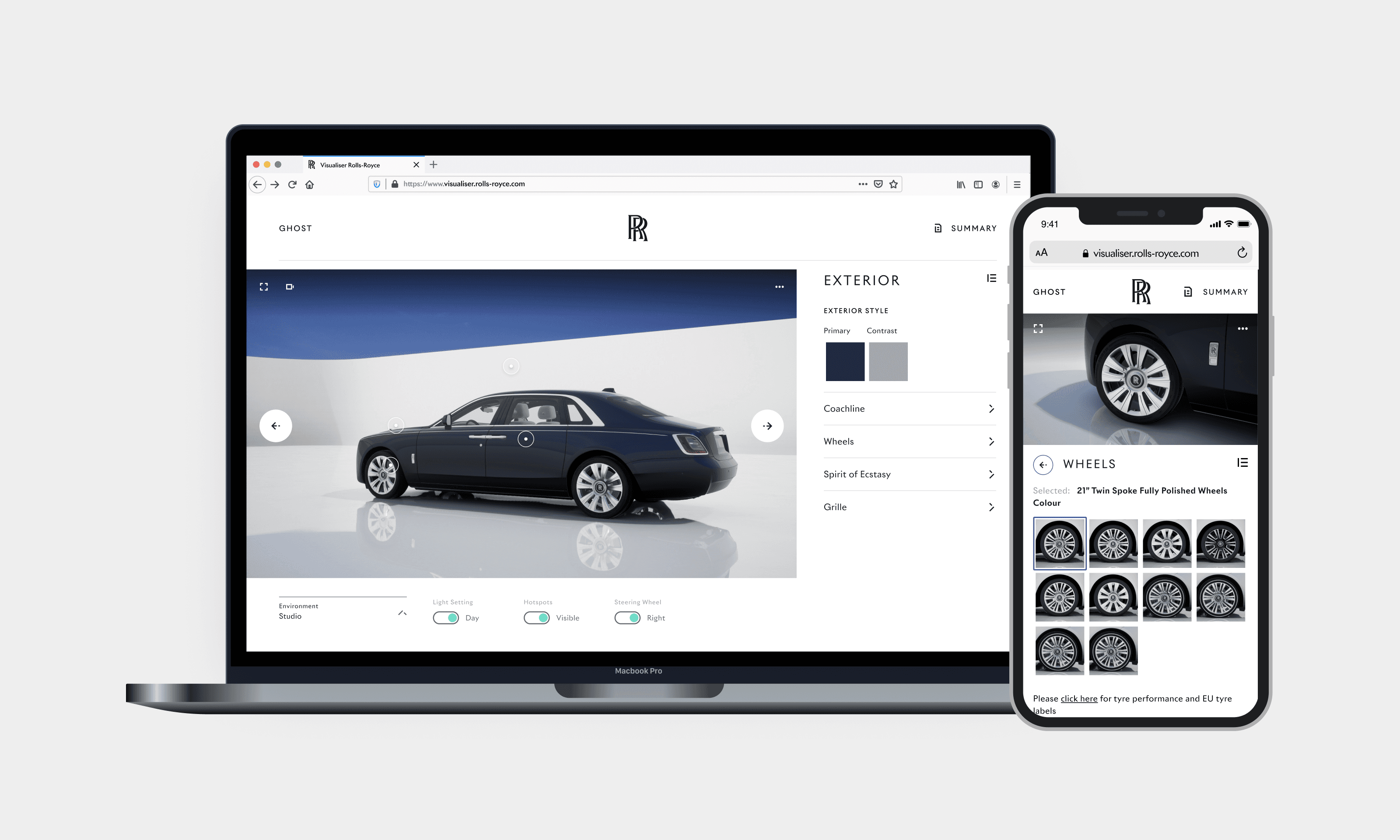
Making deep personalization feel premium and controlled

Company

BMW Group
Accenture Song

Product

Web digital showroom

Year

2021

Role

Sr. product designer

I led the redesign of a luxury car web configurator to make deep personalization feel intuitive, premium, and usable across devices. The goal was simple: help prospects explore confidently while preserving the brand’s sense of quality and control.

Problem framing

Problem framing

The experience had to showcase a vast amount of customization without overwhelming users. At the same time, it needed to feel unmistakably luxurious, work on small screens, and adapt to shifting technical and brand constraints within a tight delivery window.

Approach

Which tasks shall be prioritized?

1.

Using Structure to Align Teams and Decisions

To reduce ambiguity, I created a lightweight product requirements document that gathered features, components, user stories, and success signals in one place. This wasn’t about process overhead, but about giving the team a shared mental model.

That structure helped surface grey areas early, supported better trade-off discussions, and kept design, development, and brand conversations grounded in the same reality.

How to design consistently?

2.

Design direction

I set up continuous syncs with the brand team to validate that design decisions stayed true to quality expectations, even as constraints shifted. This avoided late-stage rework and helped the team move faster with more confidence.

Documentation played a key role here, allowing us to zoom out or dive into detail without losing alignment.

I set up continuous syncs with the brand team to validate that design decisions stayed true to quality expectations, even as constraints shifted. This avoided late-stage rework and helped the team move faster with more confidence.

Documentation played a key role here, allowing us to zoom out or dive into detail without losing alignment.

I set up continuous syncs with the brand team to validate that design decisions stayed true to quality expectations, even as constraints shifted. This avoided late-stage rework and helped the team move faster with more confidence.

Documentation played a key role here, allowing us to zoom out or dive into detail without losing alignment.

Outcome & Impact

  • I clarified product requirements and success signals, it contributed to reduce time for teams to make decisions with fewer open questions, it also reduced friction despite complexity

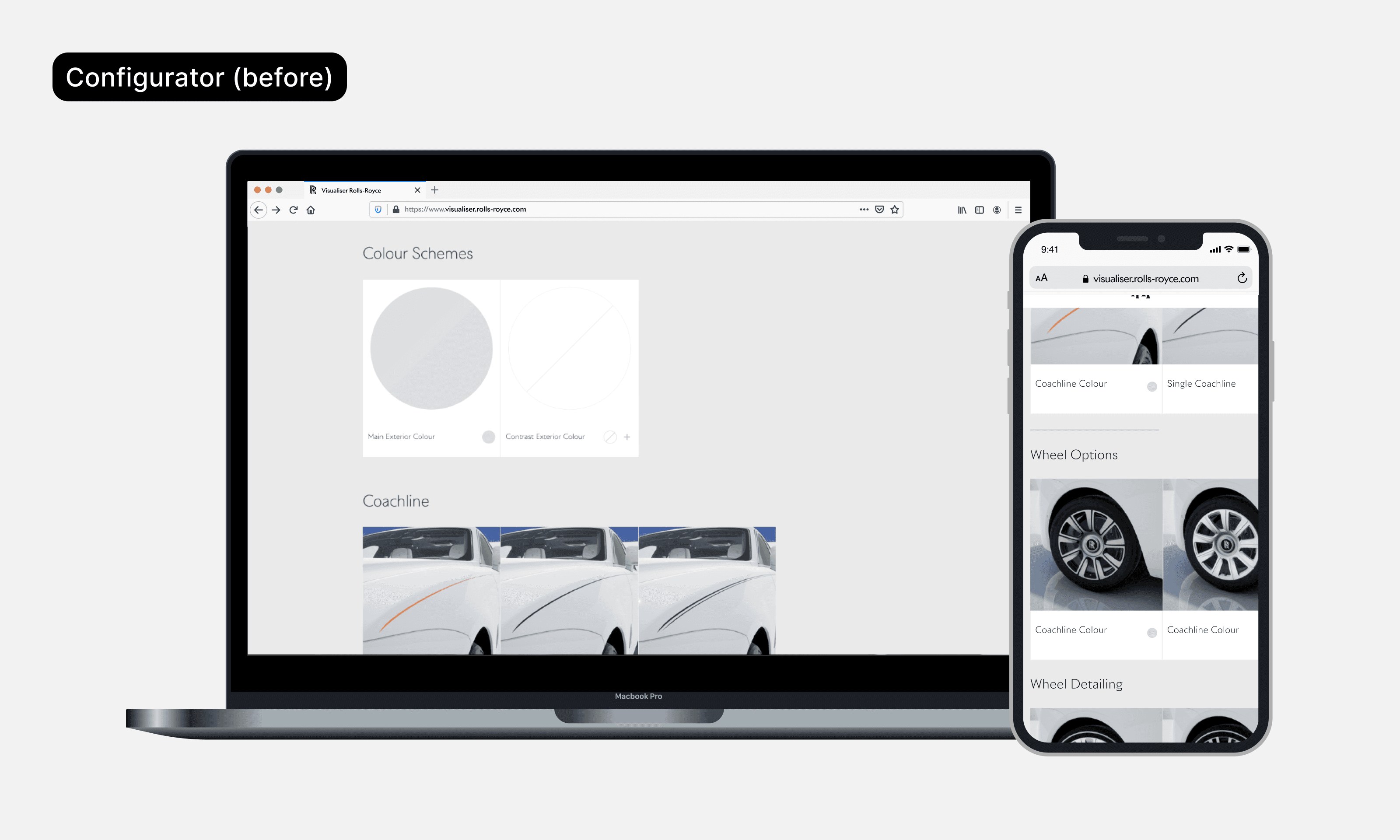
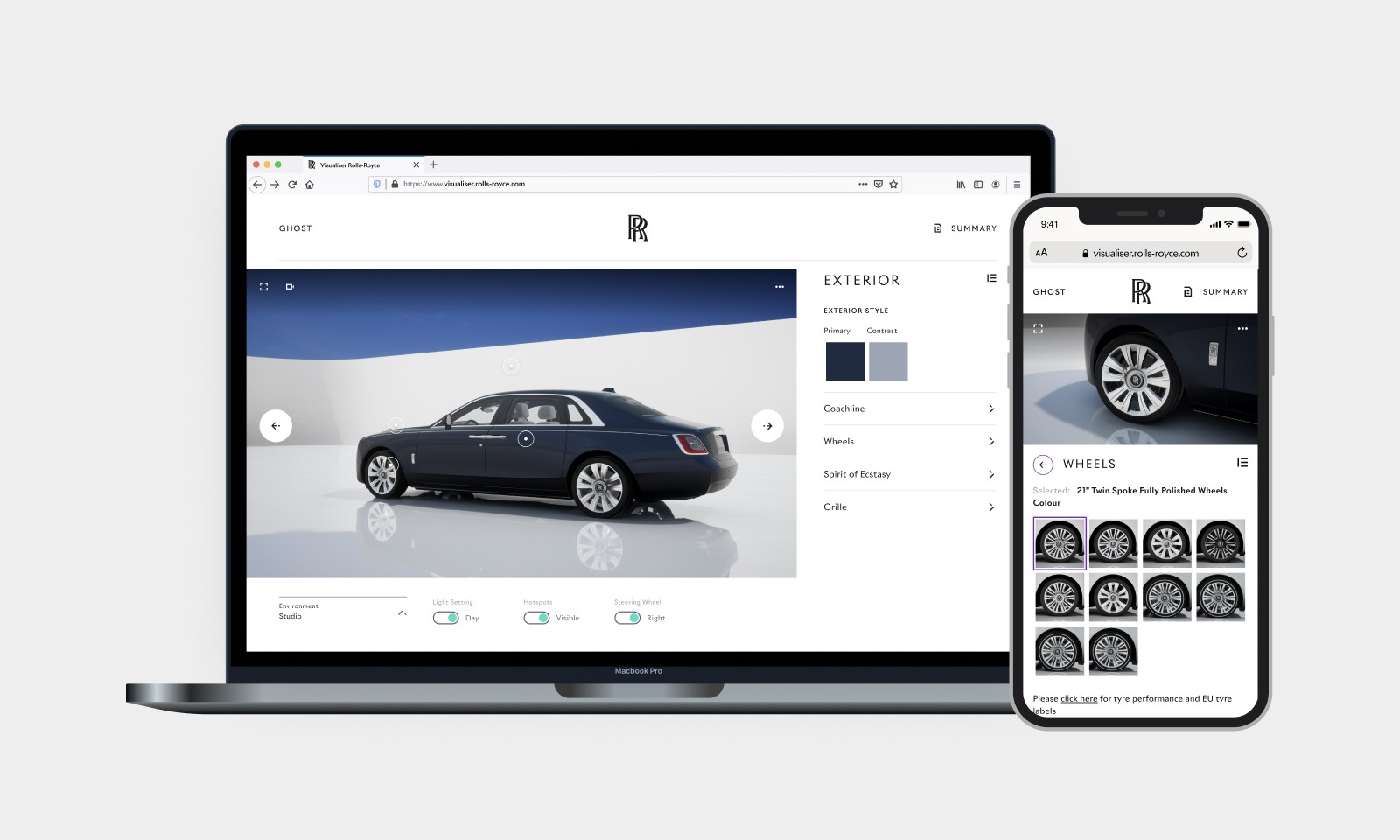
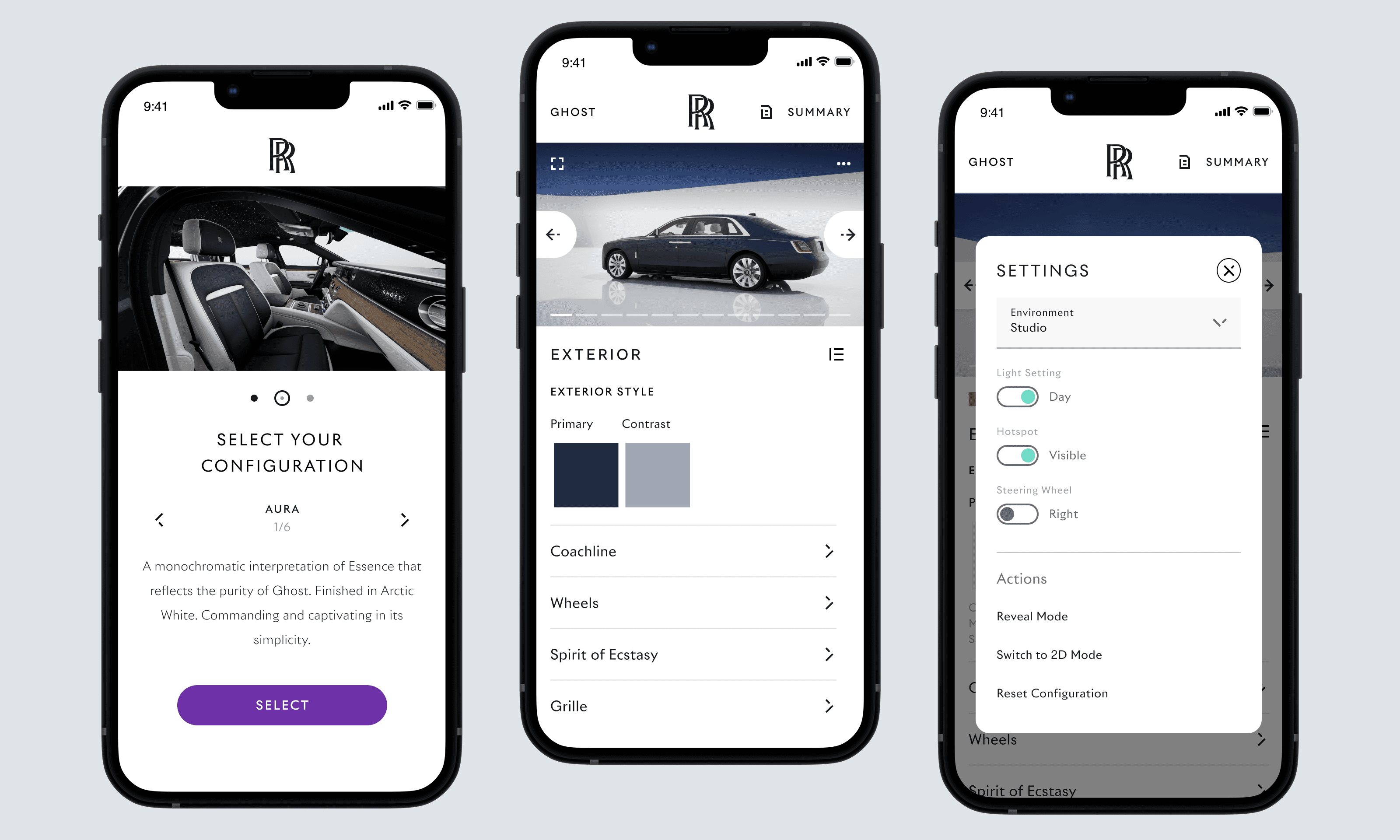
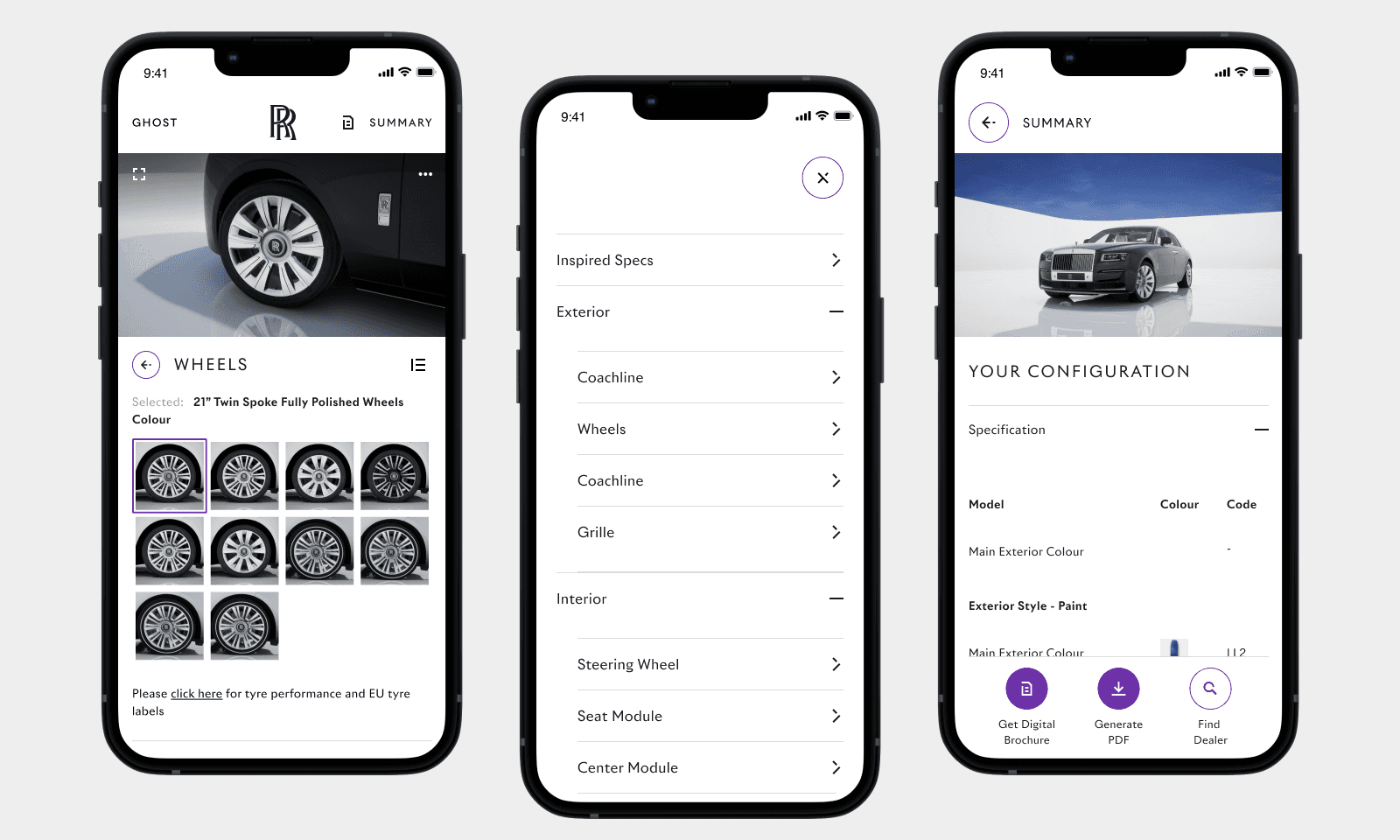
  • I redesigned the confuguration experience around orientation and continuity, according to client feedback, users were more likely to complete the configurator journey, exploration felt manageable, not overwhelming
  • I clarified product requirements and success signals, it contributed to reduce time for teams to make decisions with fewer open questions, it also reduced friction despite complexity

  • I redesigned the confuguration experience around orientation and continuity, according to client feedback, users were more likely to complete the configurator journey, exploration felt manageable, not overwhelming
  • I clarified product requirements and success signals, it contributed to reduce time for teams to make decisions with fewer open questions, it also reduced friction despite complexity

  • I redesigned the confuguration experience around orientation and continuity, according to client feedback, users were more likely to complete the configurator journey, exploration felt manageable, not overwhelming

Orientation Through Personalization

The configurator evolved from a dense option list into an experience where users could clearly understand what they had changed and why. This reduced confusion and helped users feel in control rather than lost.

Responsiveness

By addressing responsiveness as a core design principle, the experience became usable and credible on smaller screens. Users could continue exploring without feeling the experience was compromised or incomplete.

Ivan Bonin

©2026

Ivan Bonin

©2026

Ivan Bonin

©2026