Scaling Design Decisions Across a Fragmented Web Ecosystem

Company

Volkswagen
Accenture Song

Product

DesignOps

Year

2022

Role

Design Product Lead

As Lead Product Designer over eight months within a small DesignOps team, I established a scalable design operations framework for Volkswagen's fragmented web ecosystem, creating shared decision-making standards, cross-functional rituals, and design token infrastructure that unified +80 contributors across disciplines and regions without disrupting live, business-critical products.

Problem framing

Problem framing

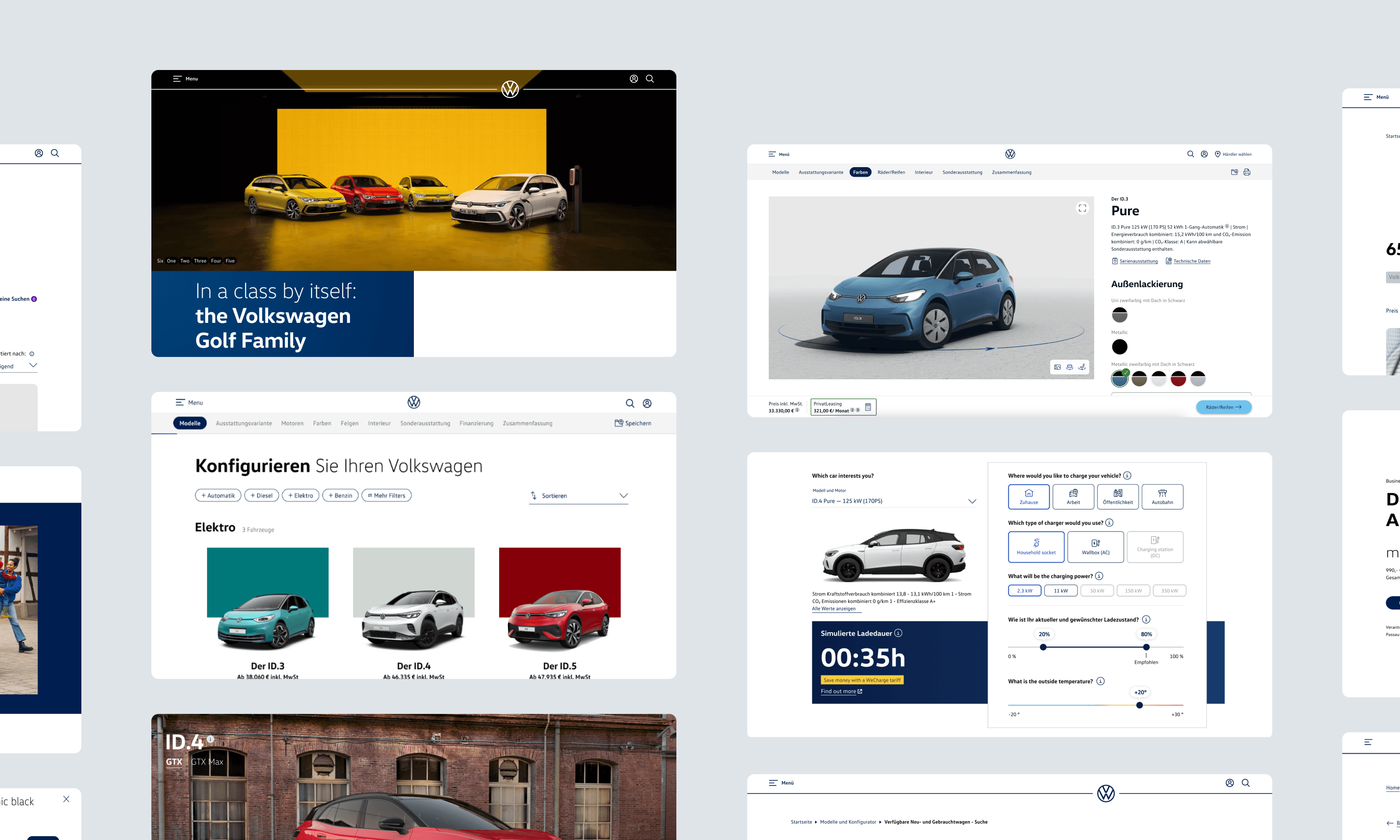
Over 80 contributors across disciplines and regions worked independently on Volkswagen's web ecosystem — using different workflows, documentation sources, and decision-making processes. This led to duplicated efforts, inconsistent outputs, and growing friction between design and development teams.

Constraints

  • Live, business-critical web surfaces — any change carried production risk

  • Multiple design and product leaders with conflicting priorities

  • Legacy documentation and limited development capacity slowing adoption of shared standards

Risk

The challenge was not component design — it was designing how alignment and decisions could scale safely across 80+ people. Without a structured framework, every attempt at standardization risked either being ignored or breaking live products.

Approach

How to make DesignOps visible to distributed teams?

1.

Establishing cross-functional visibility and rituals

Before proposing any system change, I needed to understand where teams were actually struggling. I led a comprehensive audit of the existing ecosystem — foundations, UI libraries, and user guides — to identify gaps in documentation, consistency, and governance.

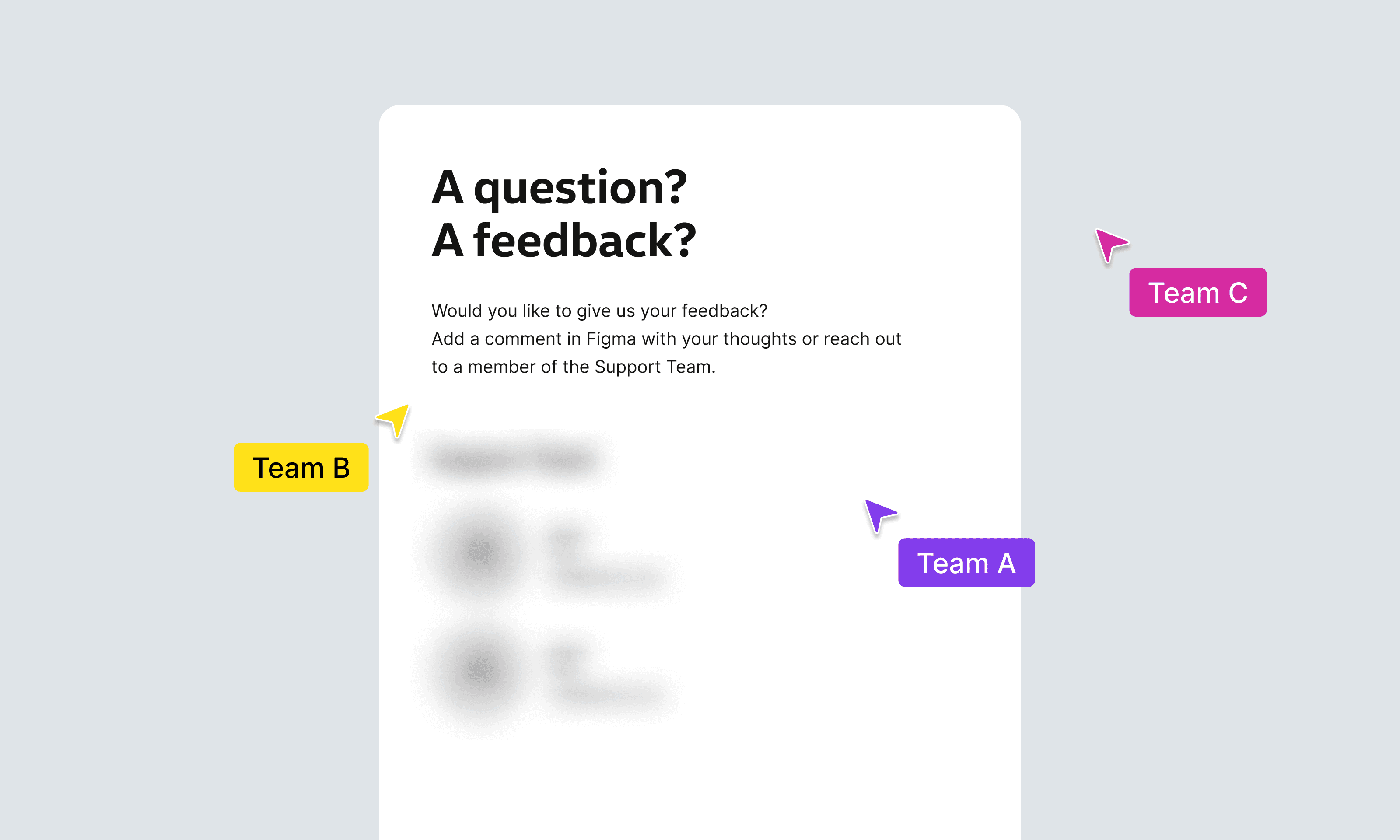
Based on that audit, I designed structured engagement channels: intake forms to capture component requests systematically, regular cross-functional syncs to reduce decision cycles, and feedback loops that surfaced blockers directly to leadership. The goal was shifting DesignOps from an invisible back-office function to a shared resource teams actively engaged with.

Key DesignOps improvements:

  • Intake form connected to team needs assessment (measuring request volume and pain points)

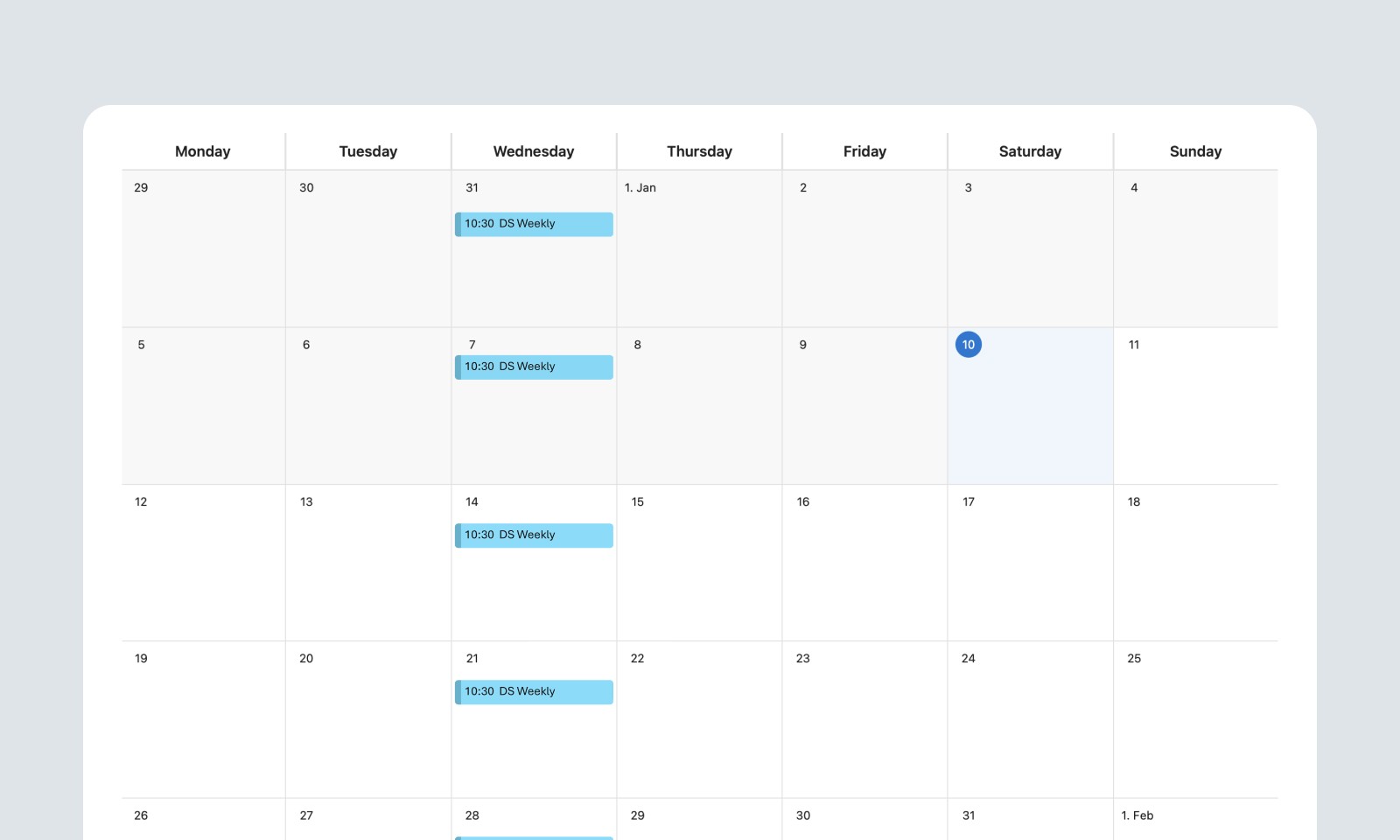
  • Regular cross-functional syncs connected to alignment velocity (reducing decision cycles)

This framework shifted teams from working in isolation to proactively engaging with DesignOps — requesting help, offering input, and participating in rituals without being asked.

How to implement standards without disrupting live products?

2.

Systemizing Decisions with design token infrastructure

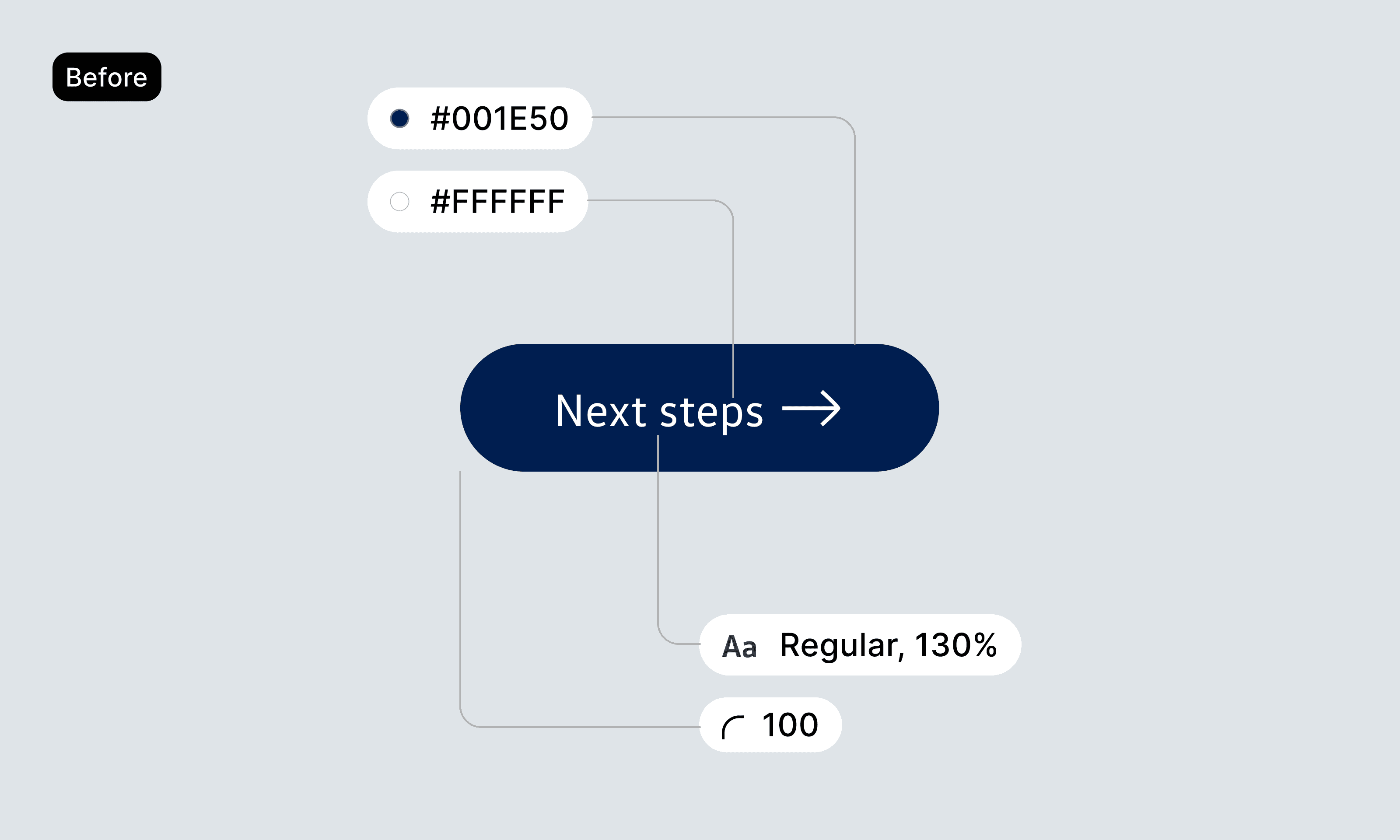
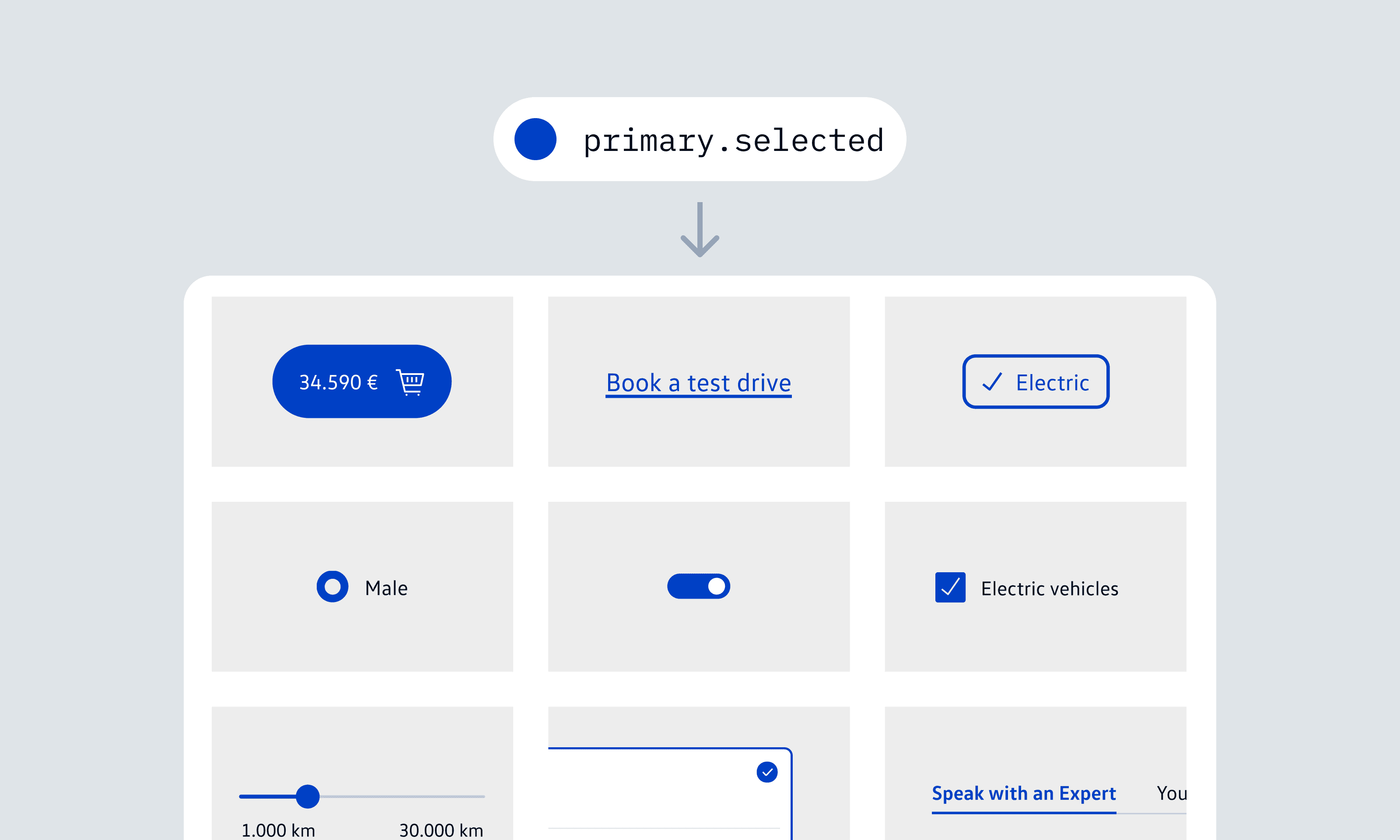
With team engagement established, I designed and implemented a design token system that anchored improvements in existing patterns while enabling systematic updates. This included:

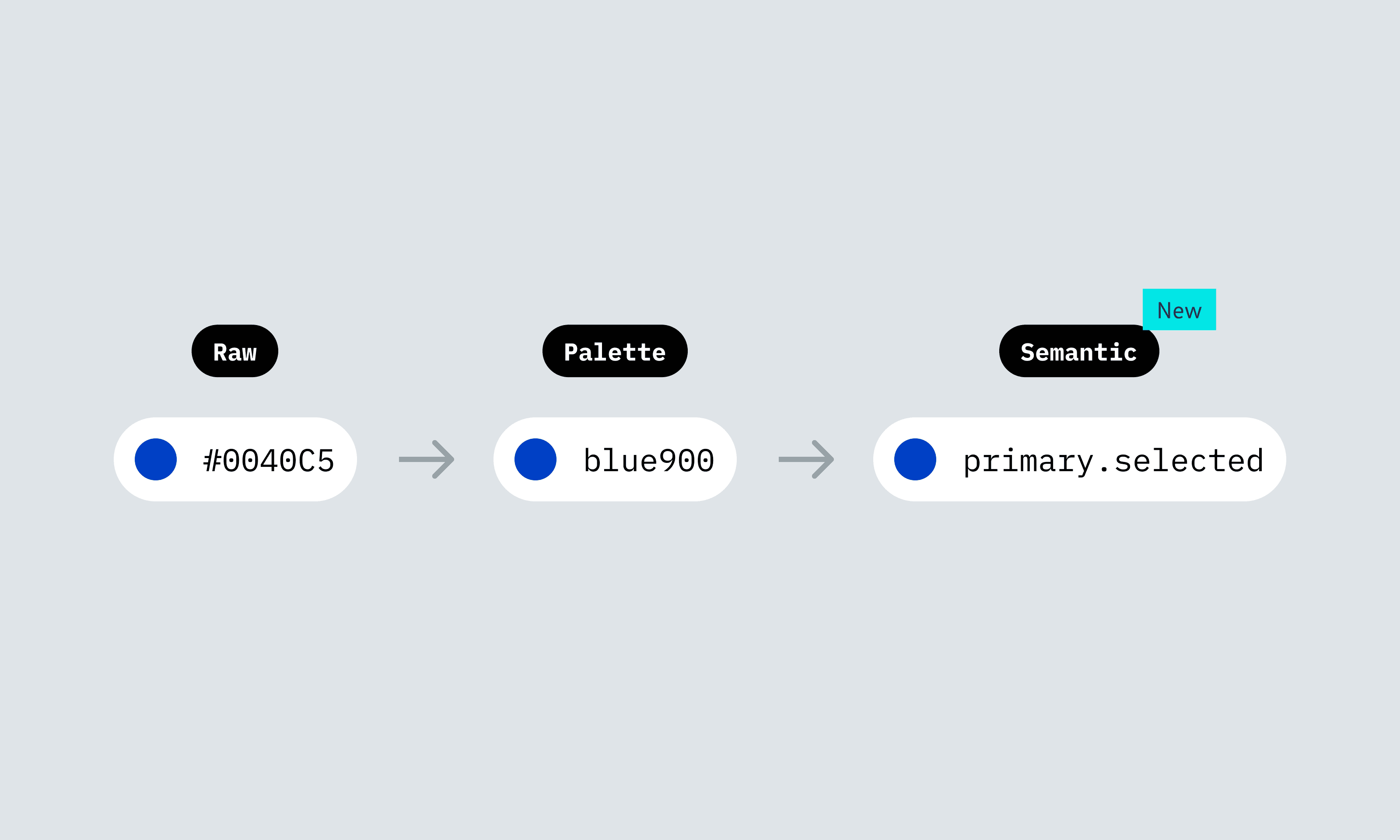
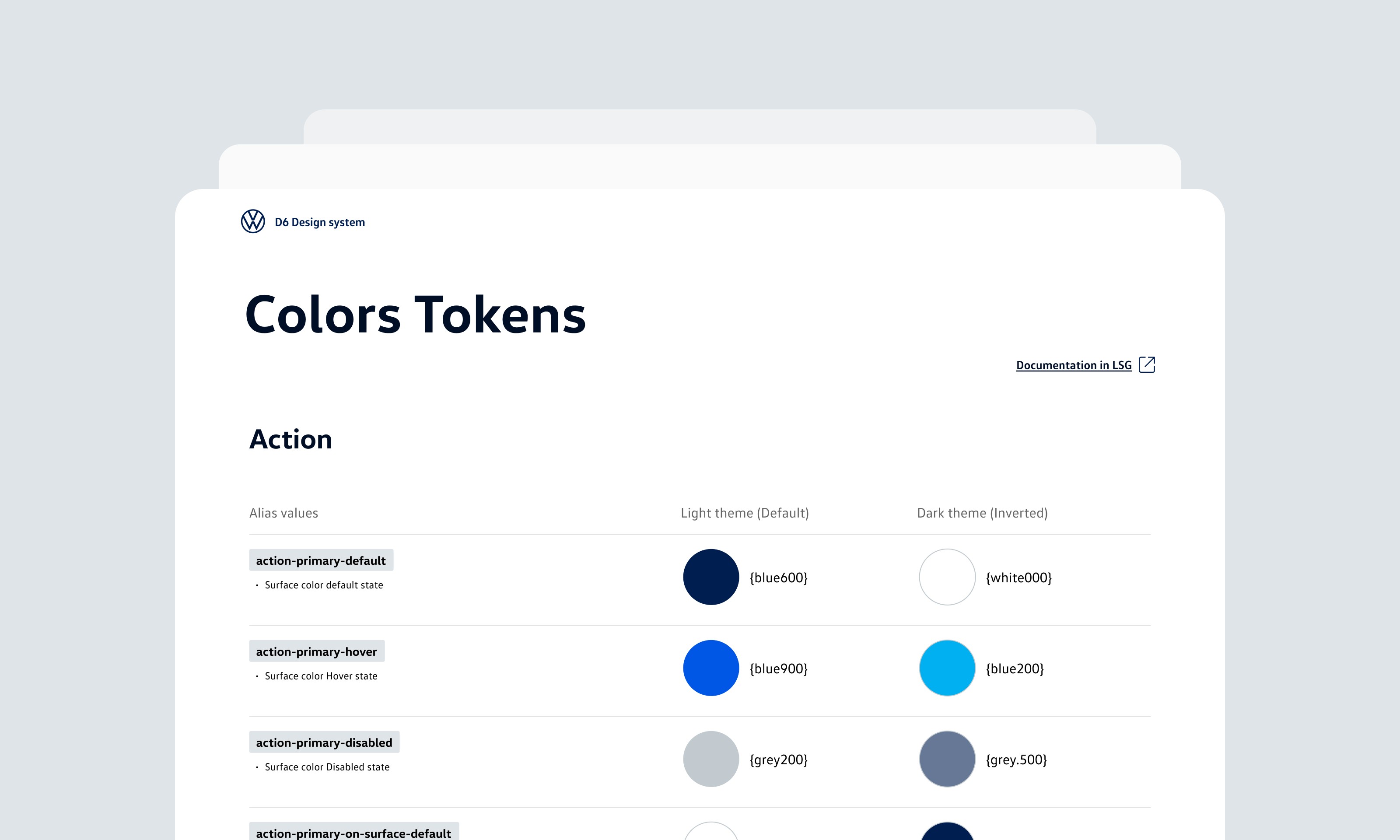
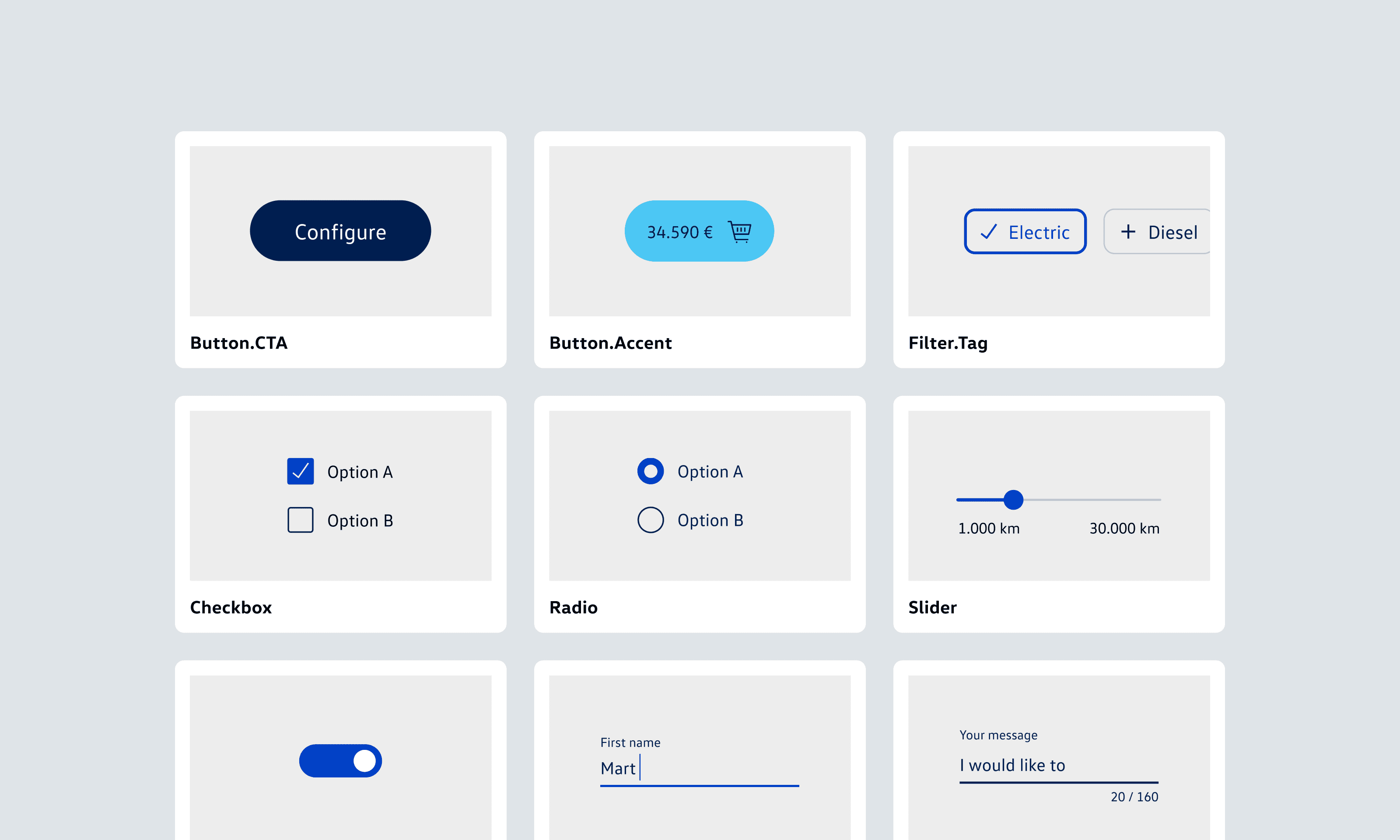
  • Implemented design token structure for color, typography, spacing, and elevation mapped to brand guidelines

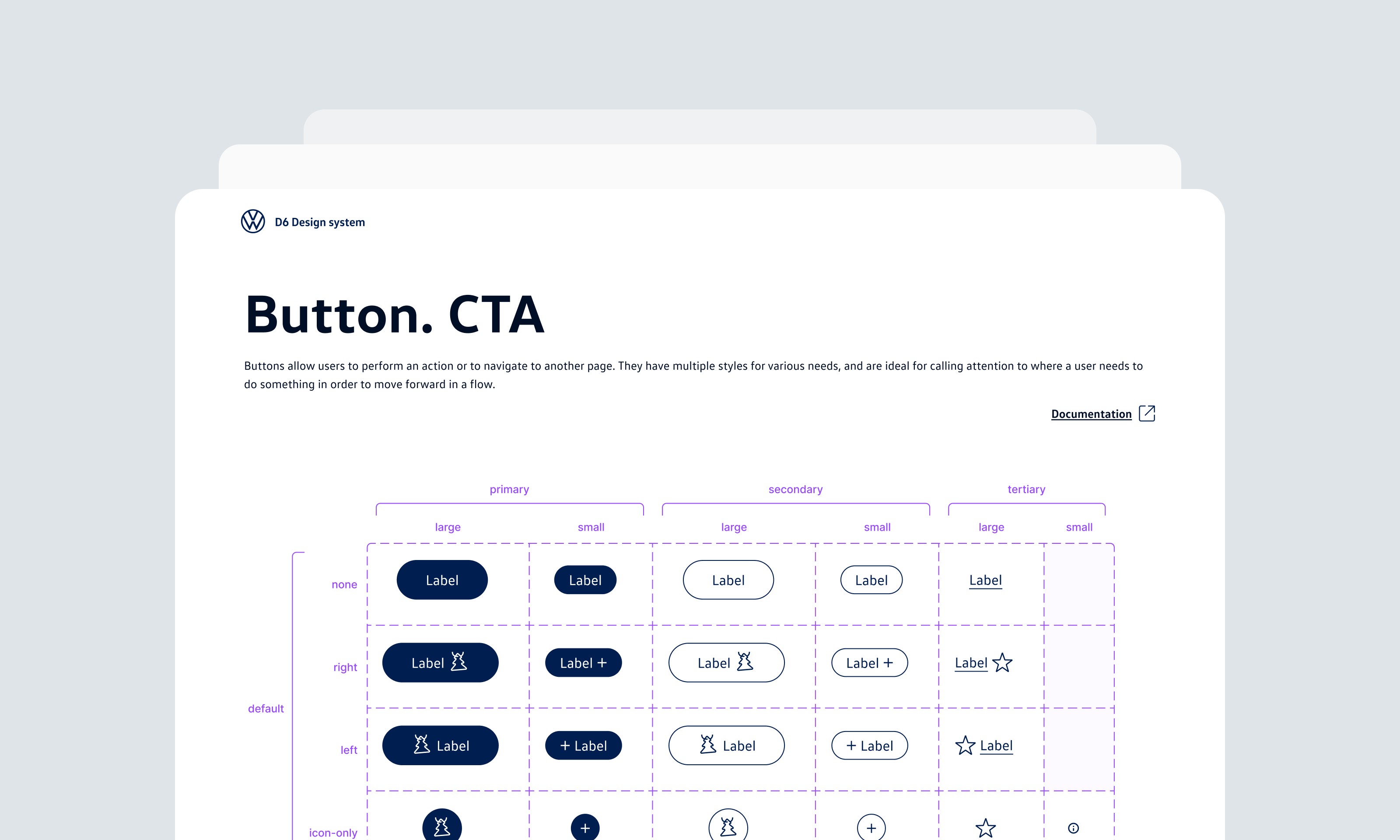
  • Led refactoring of 500+ components with token variants, auto-layout, and accessibility improvements

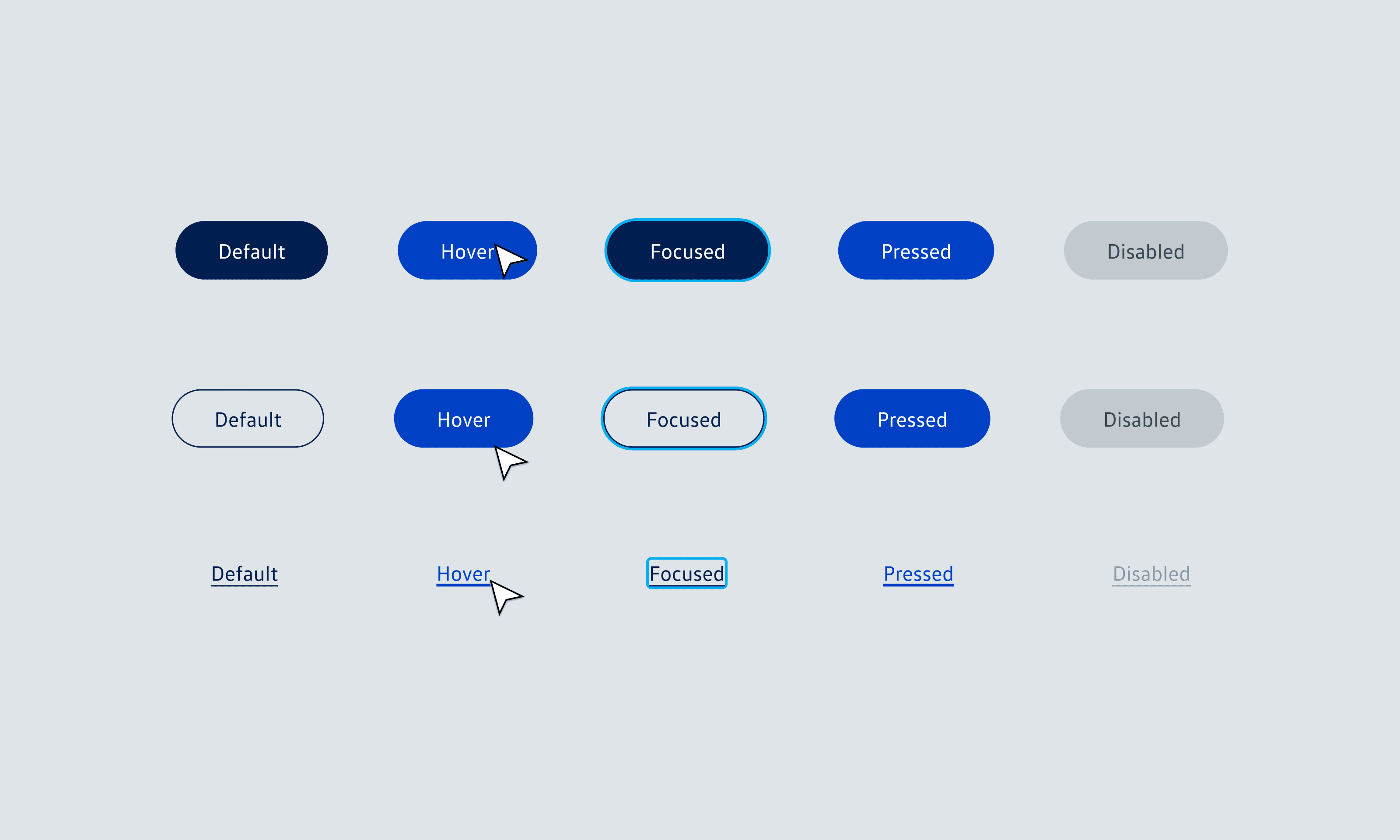
  • Documented component purpose, anatomy, states, and behaviors with clear usage guidelines

Key system improvements:

  • Token-based theming connected to consistency goals (enabling scalable updates across products)

  • Component documentation templates connected to team confidence (reducing questions and onboarding time)

  • This approach allowed teams to adopt standards incrementally, reducing risk while improving consistency.

With team engagement established, I designed and implemented a design token system that anchored improvements in existing patterns while enabling systematic updates. This included:

  • Implemented design token structure for color, typography, spacing, and elevation mapped to brand guidelines

  • Led refactoring of 500+ components with token variants, auto-layout, and accessibility improvements

  • Documented component purpose, anatomy, states, and behaviors with clear usage guidelines

Key system improvements:

  • Token-based theming connected to consistency goals (enabling scalable updates across products)

  • Component documentation templates connected to team confidence (reducing questions and onboarding time)

  • This approach allowed teams to adopt standards incrementally, reducing risk while improving consistency.

With team engagement established, I designed and implemented a design token system that anchored improvements in existing patterns while enabling systematic updates. This included:

  • Implemented design token structure for color, typography, spacing, and elevation mapped to brand guidelines

  • Led refactoring of 500+ components with token variants, auto-layout, and accessibility improvements

  • Documented component purpose, anatomy, states, and behaviors with clear usage guidelines

Key system improvements:

  • Token-based theming connected to consistency goals (enabling scalable updates across products)

  • Component documentation templates connected to team confidence (reducing questions and onboarding time)

  • This approach allowed teams to adopt standards incrementally, reducing risk while improving consistency.

Outcome & Impact

During the project (eight months)

Process & team effciency:

  • +80 contributors aligned on shared standards and decision-making frameworks

  • Design-development handoff friction reduced through token adoption, cutting iteration cycles

  • Onboarding and knowledge transfer accelerated, as documentation evolved with team questions

  • Opinion-driven debates shifted to principle-driven discussions, reducing conflict and duplication

Component Scalability & Quality:

  • 500+ components refactored for accessibility, token integration, and alignment with foundational standards

  • Component request process established, enabling teams to contribute with clear guidelines

Team Engagement & Adoption:

  • Teams engaged earlier and more frequently, proactively requesting help or offering input on components

  • Confidence in design decisions increased as teams understood the rationale through documentation

  • DesignOps rituals became embedded in team workflows, with regular participation from cross-functional stakeholders

  • Teams engaged earlier and more frequently, offering input or requesting help on new or updated components

  • Opinion-driven debates shifted to principle-driven discussions, reducing conflict and duplication

  • Teams were better informed about upcoming updates and had confidence in design decisions

  • Onboarding and knowledge transfer accelerated, as FAQs and documentation iterated with team questions

During the project (eight months)

Process & team effciency:

  • +80 contributors aligned on shared standards and decision-making frameworks

  • Design-development handoff friction reduced through token adoption, cutting iteration cycles

  • Onboarding and knowledge transfer accelerated, as documentation evolved with team questions

  • Opinion-driven debates shifted to principle-driven discussions, reducing conflict and duplication

Component Scalability & Quality:

  • 500+ components refactored for accessibility, token integration, and alignment with foundational standards

  • Component request process established, enabling teams to contribute with clear guidelines

Team Engagement & Adoption:

  • Teams engaged earlier and more frequently, proactively requesting help or offering input on components

  • Confidence in design decisions increased as teams understood the rationale through documentation

  • DesignOps rituals became embedded in team workflows, with regular participation from cross-functional stakeholders

  • Teams engaged earlier and more frequently, offering input or requesting help on new or updated components

  • Opinion-driven debates shifted to principle-driven discussions, reducing conflict and duplication

  • Teams were better informed about upcoming updates and had confidence in design decisions

  • Onboarding and knowledge transfer accelerated, as FAQs and documentation iterated with team questions

During the project (eight months)

Process & team effciency:

  • +80 contributors aligned on shared standards and decision-making frameworks

  • Design-development handoff friction reduced through token adoption, cutting iteration cycles

  • Onboarding and knowledge transfer accelerated, as documentation evolved with team questions

  • Opinion-driven debates shifted to principle-driven discussions, reducing conflict and duplication

Component Scalability & Quality:

  • 500+ components refactored for accessibility, token integration, and alignment with foundational standards

  • Component request process established, enabling teams to contribute with clear guidelines

Team Engagement & Adoption:

  • Teams engaged earlier and more frequently, proactively requesting help or offering input on components

  • Confidence in design decisions increased as teams understood the rationale through documentation

  • DesignOps rituals became embedded in team workflows, with regular participation from cross-functional stakeholders

  • Teams engaged earlier and more frequently, offering input or requesting help on new or updated components

  • Opinion-driven debates shifted to principle-driven discussions, reducing conflict and duplication

  • Teams were better informed about upcoming updates and had confidence in design decisions

  • Onboarding and knowledge transfer accelerated, as FAQs and documentation iterated with team questions

Faster Development Cycle

Design token adoption enabled smoother collaboration between design and code, reducing friction in handoffs and enabling teams to implement changes more confidently and consistently.

Component Scalability & Accessibility

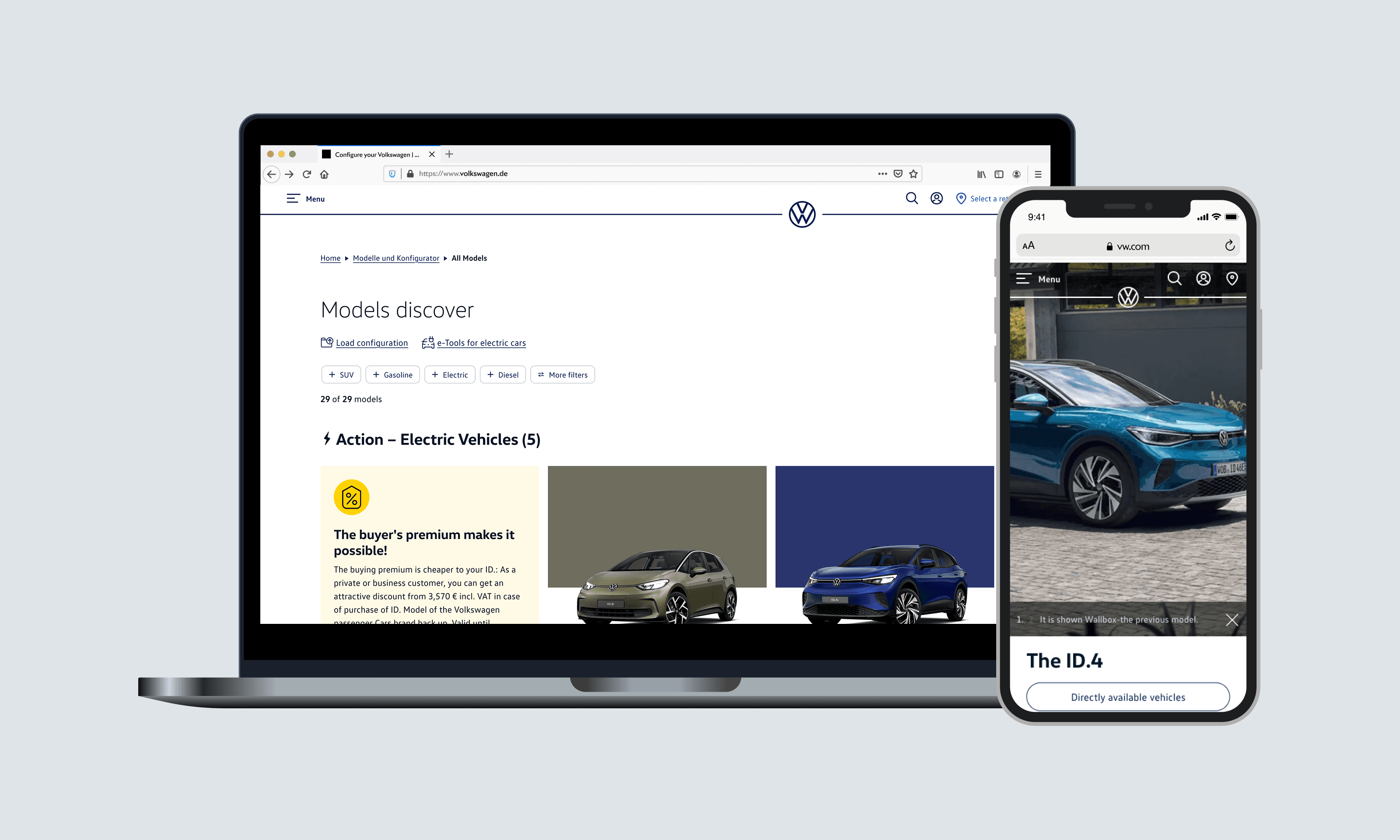
The design token framework and DesignOps rituals established during this project became foundational infrastructure, supporting consistent experiences across Volkswagen's web ecosystem and enabling future scalability.

Ivan Bonin

©2026

Ivan Bonin

©2026

Ivan Bonin

©2026